What is Kalesa
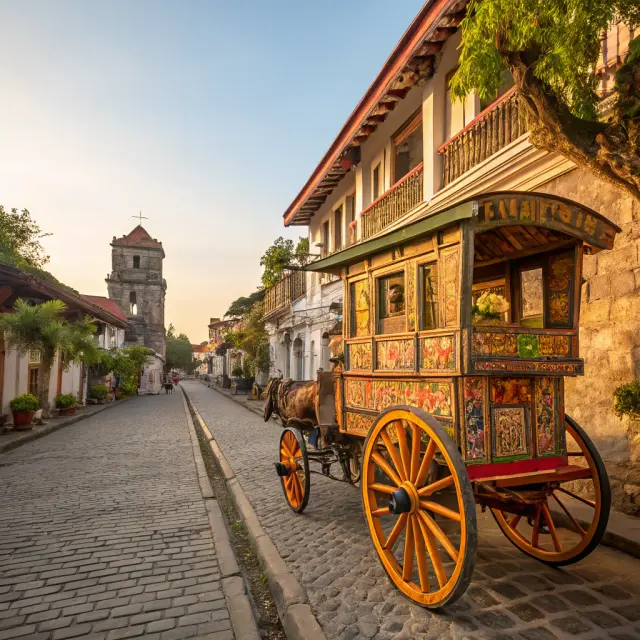
A kalesa is the Philippines’ traditional horse-drawn carriage: a two-wheeled cart pulled by a single horse and driven by a coachman called a kutsero. For most of the 1800s and early 1900s, it was simply how Filipinos got around, from market runs to Sunday Mass. Today it survives mostly in heritage towns, where a ride is one of the most atmospheric ways to see old Spanish-era streets.
This guide covers what a kalesa is, where it came from, where you can still ride one, and what a fair fare looks like.
Two-wheeled horse-drawn carriage
Kutsero (from Spanish cochero)
18th-century Spanish colonial era
Vigan, Intramuros, Binondo
About PHP 1,000 per hour (agree first)
Jeepney, tricycle, bangka
What a kalesa actually is
The kalesa (spelled calesa in Philippine Spanish) is a light, two-wheeled carriage built from wood, metal, or a mix of both. A single horse pulls it, and a canopy stretches forward from the back of the cab to shade the passengers. The kutsero sits up front on his own bench, reins in hand.
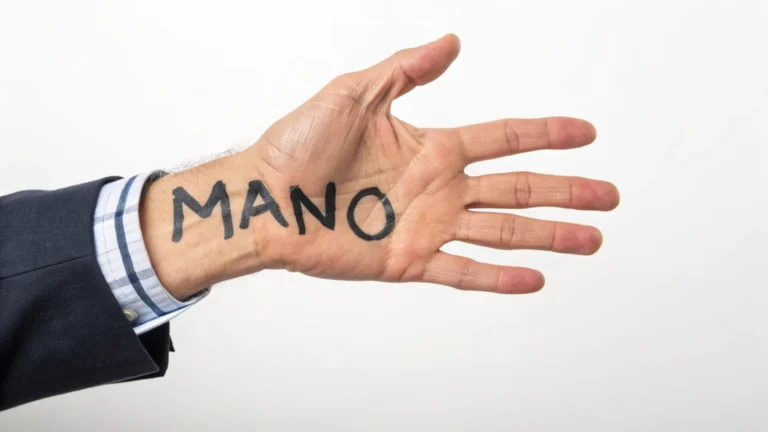
Steering is done as much by voice as by rein, and the commands are a small piece of living history. To turn the horse to the right, the kutsero calls out “mano” (Spanish for hand); to turn left, he says “silla.” That first command shares its root with the Filipino gesture of respect, the mano po, a reminder of how deeply Spanish vocabulary settled into everyday Filipino life.
Kalesas are almost always brightly painted and decorated, and that love of colour is no accident. When motorised transport arrived, the flamboyant look of the kalesa carried straight over onto the jeepney, which is why the two vehicles feel like relatives even today.
From elite carriage to the people’s ride: a short history
Spanish colonisers introduced the kalesa to the islands in the 18th century. At first it was a status symbol, a ride reserved for nobility, high-ranking officials, and the wealthy, educated class known as the ilustrados. Owning one said a great deal about your place in colonial society.
As roads improved through the 19th century, the carriage came within reach of ordinary people. By the late 1800s and early 1900s, the kalesa was the primary means of both public and private transport in major cities such as Manila, carrying passengers and goods through streets that had not yet seen an automobile.
The men who drove them became a force in their own right. During the American colonial period, the kutseros organised into a union strong enough to keep the imported rickshaw from ever taking hold in the Philippines. Their clout showed again in 1939, when a government proposal to abolish the kalesa and ease traffic congestion triggered such a widespread uprising that the plan was dropped.
The kalesa’s decline came after the Second World War, as motor vehicles, including its own colourful descendant the jeepney, filled the roads. By the 1980s the carriage was no longer viable as everyday transport, and it faded from the daily commute into the realm of heritage and tourism.
Where to ride a kalesa today
| Place | What makes it special |
|---|---|
| Vigan, Ilocos Sur | A UNESCO World Heritage city. Ride down cobbled Calle Crisologo past preserved colonial houses. Vigan even holds a Kalesa Parade during its Binatbatan Festival of the Arts. |
| Intramuros, Manila | Guided historical tours inside the old walled city, past centuries-old churches and stone gates. |
| Binondo, Manila | A ride through the world’s oldest Chinatown, weaving among its temples and food streets. |
| Taal, Laoag & San Fernando | Heritage towns where kalesas serve visitors exploring Spanish-era architecture. |
| Tuguegarao, Cagayan | One of the very few places where kalesas still run as genuine transport, sharing the road with jeepneys, tricycles, and cars. |
What a ride costs, and how to ride right
- Agree the fare before you board. A tour typically runs about PHP 1,000 per hour, with shorter 30-minute loops costing less. Settling the price first avoids any awkward surprise at the end.
- Stick to regulated heritage routes. Places like Intramuros and Vigan license and support their kutseros, so your money helps keep the tradition alive.
- Talk to your driver. Many kutseros double as informal guides and carry stories passed down for generations. A few questions can turn a short ride into the highlight of your day.
- Go easy on the horse. Choose the cooler morning or late-afternoon hours, and skip the ride in extreme heat.
The kalesa’s place in Filipino culture
Although the kalesa lost its practical role decades ago, it never lost its hold on the Filipino imagination. It stands alongside the jeepney, the tricycle, and the wooden bangka as one of the hallmarks of Filipino transport culture, and it appears again and again in period films, paintings, and old family photographs. To climb aboard one in Vigan or Intramuros is to travel, for an hour, in the same rhythm your great-grandparents knew.
That is the real reason the carriage endures. It is no longer the fastest way from one place to another, but it remains one of the most meaningful, a moving piece of heritage you can still sit inside. To learn more about the traditions that shaped everyday Filipino life, explore our guides to Philippine festivals and culture.
The kutsero’s craft
Driving a kalesa is a skill learned over years. The kutsero reads the traffic, the weather, and the mood of his horse all at once, guiding the animal with light touches of the reins and a handful of spoken commands. In heritage towns many kutseros are second or third generation, having inherited both the carriage and the route from a father or grandfather. They rise before dawn to feed and harness the horse, and they know every landmark on their circuit by heart, which is why a good kutsero is often the finest guide a visitor can find.
Relatives of the kalesa
The kalesa was not the only horse-drawn vehicle on Philippine roads. In the Visayas, especially in Cebu, a similar light carriage is known as the tartanilla, a name still used today for the horse-drawn rigs that carry passengers around parts of the city. Larger, heavier carts called karitela once hauled both people and goods to market. All shared the same Spanish-era origins and the same slow retreat once buses, jeepneys, and cars arrived. Of the whole family, it is the kalesa, kept alive by tourism and nostalgia, that remains the most beloved.
Frequently Asked Questions
What is a kalesa?
A kalesa is a two-wheeled horse-drawn carriage used in the Philippines, pulled by a single horse and driven by a coachman known as a kutsero. It was the country’s main form of transport during the Spanish and American colonial periods.
What is the driver of a kalesa called?
The driver is called a kutsero, from the Spanish word cochero. He steers the horse with reins and voice commands, calling “mano” to turn right and “silla” to turn left.
Where can I ride a kalesa today?
The best-known spots are Vigan in Ilocos Sur, and Intramuros and Binondo in Manila. You will also find them in Taal, Laoag, and San Fernando. In Tuguegarao, kalesas still run as everyday transport.
How much does a kalesa ride cost?
Expect to pay around PHP 1,000 per hour for a tourist tour, with shorter rides costing less. Always agree on the price before you board.
Are kalesas still used for transport?
Mostly they now serve tourism in heritage areas. The clearest exception is Tuguegarao, Cagayan, where kalesas still operate as part of ordinary traffic.
Conclusion
The kalesa carried the Philippines through two colonial eras before the automobile arrived, and it still rolls on today as a beloved link to that past. Whether you find one on Calle Crisologo in Vigan or inside the walls of Intramuros, a slow ride behind a single horse is a small, unforgettable step back in time.