The Philippines in a Globalized World: Historical Impact
The Philippines in a globalized world is a story that stretches back many centuries, from the ancient trading routes of the Austronesian seafarers to the Manila galleons that helped launch the first age of global trade, and on to today’s vast Filipino diaspora that connects the nation to every corner of the earth. Few countries have been shaped by, and have shaped, globalization as profoundly as the Philippines. This article explores the historical impact of globalization on the Philippines, from pre-colonial trade to the modern era, and how it has forged the nation’s unique and resilient identity.
Austronesian and Asian sea routes
Manila to Acapulco, 250 years
Spanish then American rule
The global Filipino diaspora
Remittances, BPO, global trade
Local roots, global reach
A nation shaped by the world
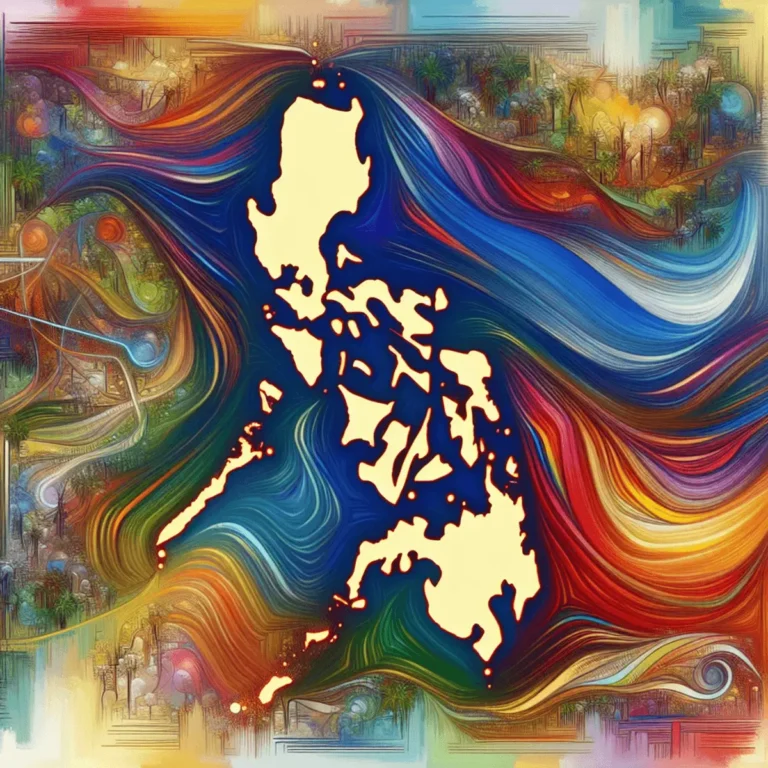
The Philippines has always been a crossroads. Made up of thousands of islands at the meeting point of great seas and cultures, the archipelago has for millennia been open to the currents of trade, migration, faith, and ideas flowing across Asia and beyond. This openness has made the country one of the most culturally layered and adaptable nations in the world. To understand the Philippines is to understand globalization itself, for the Filipino story is, at its heart, a story of connection, exchange, and the blending of the local and the global into something wholly unique.
Ancient trade and early connections
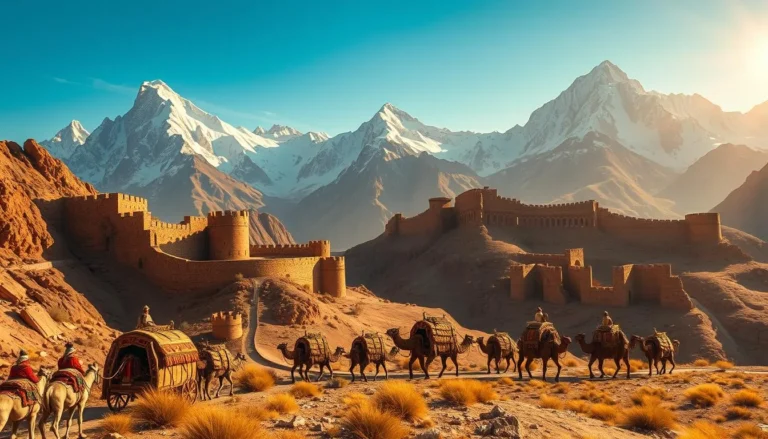
Long before the arrival of Western colonisers, the peoples of the Philippine islands were part of vast maritime trade networks. Skilled Austronesian seafarers had settled and connected the islands over thousands of years, and by the time of recorded history, communities across the archipelago were trading actively with their neighbours. Chinese, Indian, Arab, and Southeast Asian merchants sailed to Philippine shores, exchanging silk, porcelain, and metalwork for local gold, pearls, and forest products. Powerful coastal settlements and early states grew wealthy on this commerce, and Islamic sultanates flourished in the south through trade and faith carried across the seas. This early, thriving exchange shows that the Philippines was globally connected long before the word globalization existed.
The galleon trade and the first globalization
When the Spanish colonised the islands in the sixteenth century, they made Manila the hub of one of history’s most remarkable trade systems: the Manila-Acapulco galleon trade. For some 250 years, great galleons carried Asian goods, above all Chinese silk and porcelain, across the Pacific to Mexico, returning laden with silver from the Americas. This was, in many ways, the birth of true global trade, linking Asia, the Americas, and Europe in a single commercial web with Manila at its centre.
At the heart of this commerce was Manila’s Parian, the bustling Chinese market district, while the fine cloth of the islands, including the country’s own luxury textiles, added to the flow of goods. The galleon trade brought immense change: new crops, foods, and animals crossed the oceans, cultures mixed, and the Philippines became a vital node in the emerging world economy, its influence felt from Asia to Europe.
Colonial legacies of exchange
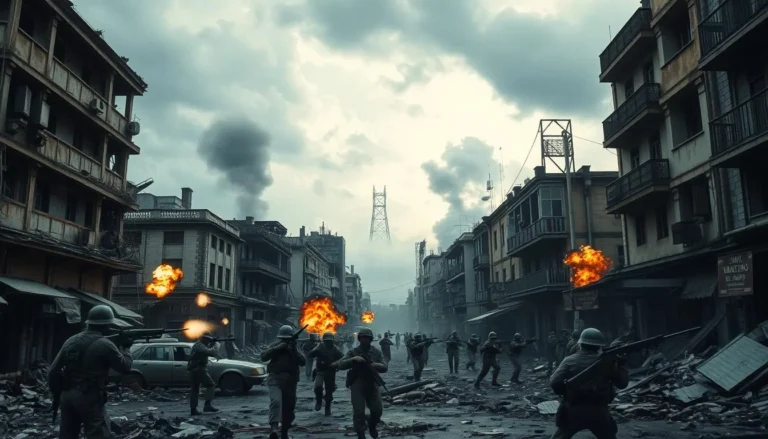
Centuries of Spanish and later American rule left the Philippines deeply marked by global influences, for better and for worse. Colonialism brought hardship and loss of freedom, but it also wove foreign elements permanently into Filipino life.
- Religion, as Spanish rule made the Philippines one of the largest Catholic nations in the world.
- Language, with Spanish and later English shaping Filipino speech, education, and identity.
- Food, as global ingredients and dishes blended with native cooking to create Filipino cuisine.
- Governance and education, especially the American-era public school and democratic systems.
- Culture and the arts, fusing indigenous, Asian, and Western influences into new forms.
Historic sites like Fort Santiago in Manila stand as reminders of this layered colonial past, a past that also stirred a powerful sense of national identity and the long struggle for independence.
The modern Filipino diaspora
In the modern era, the Philippines has become globally connected in a new and deeply personal way: through its people. Millions of Filipinos live and work abroad, forming one of the largest and most widespread diasporas in the world. Overseas Filipino workers and migrant communities can be found across the United States, Canada, the Middle East, Europe, Australia, and Asia, contributing their skills, labour, and warmth to societies everywhere. These overseas Filipinos maintain strong ties to home, sending remittances that form a vital pillar of the national economy and keeping their culture alive far from the islands. In this way, the Filipino people themselves have become the nation’s greatest global link, carrying their heritage to every corner of the earth.
The Philippines in the global economy
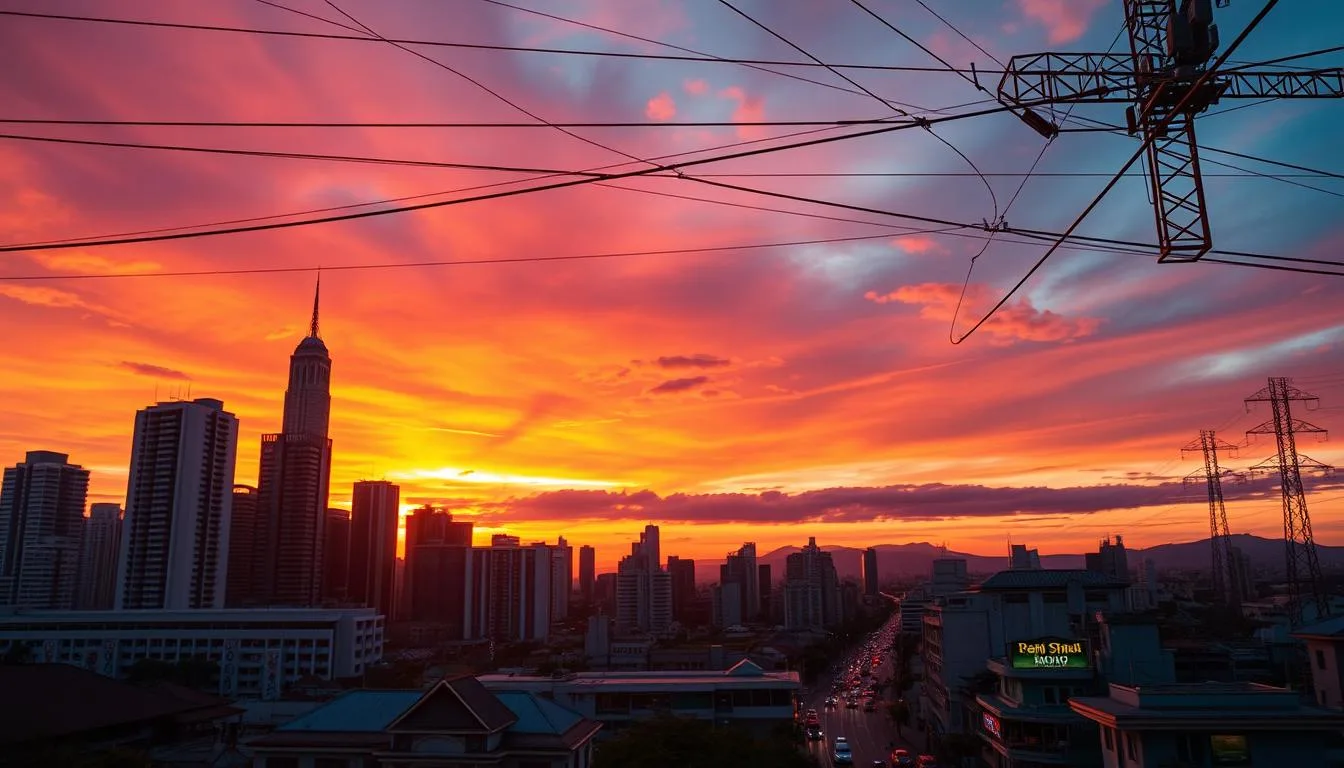
Today, the Philippines is woven into the global economy in many ways beyond migration. The country is a world leader in business process outsourcing, its skilled, English-speaking workforce serving companies around the globe. Filipino talent shines in fields from healthcare and seafaring to engineering, entertainment, and the arts. Filipino food, music, and culture are gaining international recognition, from acclaimed dishes to globally successful artists and performers. At the same time, the nation navigates the challenges of globalization, from economic competition to preserving local industries and identity. Through it all, the Philippines continues to engage the wider world with characteristic adaptability, resilience, and openness.
Identity in a globalized world
Perhaps the most remarkable aspect of the Filipino experience of globalization is how the nation has absorbed countless outside influences while remaining unmistakably itself. Filipino culture is a rich blend, indigenous roots interlaced with Asian, Spanish, American, and global threads, yet the result is not a loss of identity but a distinctive and vibrant whole. The warmth of Filipino hospitality, the strength of family and community, deep faith, and an irrepressible spirit of joy and resilience shine through it all. In embracing the world without losing its soul, the Philippines offers a powerful example of how a nation can be both globally connected and proudly, authentically itself.
Lessons from the Filipino experience
The long history of the Philippines in a globalized world offers valuable lessons that resonate far beyond its shores. It shows that openness to trade, ideas, and peoples can bring extraordinary richness to a culture, and that a nation can absorb powerful outside influences without surrendering its essential character.
- Adaptability, the Filipino gift for embracing change while staying rooted in tradition.
- Resilience, the strength to endure colonisation, hardship, and upheaval and emerge with identity intact.
- Connection, the deep value placed on family and community, even across oceans.
- Openness, a welcoming spirit that turns encounters with the world into opportunities for growth.
These qualities, forged over centuries of global engagement, are among the greatest strengths of the Filipino people, and they continue to serve the nation well in an ever more interconnected age. In this sense, the history of the Philippines is not just a national story but a human one, offering insight into how cultures can meet, mingle, and flourish together.
Frequently Asked Questions
How was the Philippines connected to the world before colonisation?
Through ancient maritime trade, Filipino communities exchanged goods with Chinese, Indian, Arab, and Southeast Asian merchants, and Islamic sultanates flourished through sea-borne trade and faith.
What was the galleon trade?
The Manila-Acapulco galleon trade linked Asia, the Americas, and Europe for about 250 years, with Manila as its hub, marking one of the earliest forms of global trade.
How does globalization affect the Philippines today?
Through its huge overseas diaspora and remittances, its leading role in outsourcing, and the growing global reach of Filipino talent, food, and culture.
Has globalization erased Filipino identity?
No. The Philippines has blended many outside influences with its indigenous roots to create a distinctive culture, remaining proudly and authentically itself.
Conclusion
From ancient trade routes to the Manila galleons and today’s global diaspora, the Philippines has always been a nation shaped by, and shaping, the wider world. Its history is a testament to connection, exchange, and remarkable resilience. In blending countless influences while holding fast to its own warm and vibrant identity, the Philippines stands as a striking example of how to thrive in a globalized world without ever losing its heart.