Barong Tagalog: The Complete Guide to the Philippines’ National Dress
The Barong Tagalog is the traditional national dress of the Philippines and one of the most elegant garments in Filipino culture. Worn by men at weddings, formal events, and state occasions, this embroidered, sheer shirt has represented Filipino identity for centuries. This complete guide covers the history of the Barong Tagalog, the fabrics and materials used to make it, its many styles, and how to choose and wear one with confidence.
Whether you are a groom planning your wedding, a member of the Filipino diaspora reconnecting with your roots, or simply curious about traditional Filipino clothing, understanding the Barong Tagalog opens a window into the artistry and heritage of the Philippines.
What Is the Barong Tagalog?
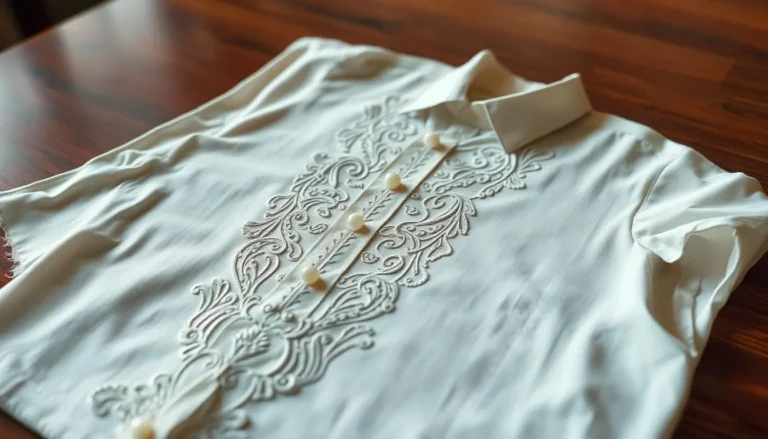
The Barong Tagalog, often shortened to “barong,” is a formal, long-sleeved, embroidered shirt worn untucked over an undershirt. It is typically made from lightweight, translucent fabric, which suits the tropical climate of the Philippines while giving the garment its distinctive semi-sheer look. The barong is the male counterpart to the Filipiniana dress and terno worn by women, and together they form the country’s traditional formal attire.
More than a piece of clothing, the barong is a symbol of national identity. It appears on presidents at inaugurations, on grooms at weddings, and on office workers during formal occasions. Its delicate embroidery and refined silhouette make it both a cultural artifact and a living fashion statement. Learn more about the wider tradition in our guide to the cultural significance of traditional Filipino clothing.
The History of the Barong Tagalog
The roots of the Barong Tagalog reach back to pre-colonial times, when Filipinos wore a simple collarless tunic called the baro. During the Spanish colonial era, the garment evolved, gaining European tailoring influences while keeping its lightweight, untucked form. A popular story claims the Spanish required Filipinos to wear the barong untucked and made of sheer fabric so it could not conceal weapons, though historians regard this as more legend than fact.
By the 19th and 20th centuries, the barong had become the standard formal wear of the Filipino gentleman. In 1975, President Ferdinand Marcos declared the Barong Tagalog the national attire, cementing its status. Over the decades the garment has been reinterpreted by designers such as Pierre Cardin, who created a modern collection in the 1970s, yet it has never lost its traditional essence. Today the barong stands as a proud emblem of Filipino culture across the century.
Materials and Fabrics Used to Make a Barong Tagalog
The fabric is what gives each Barong Tagalog its character. The finest and most prized material is piña, a delicate fiber woven from pineapple leaves. Piña cloth is translucent, stiff, and luxurious, making it the top choice for weddings and the most formal events. Because it is hand-woven, a genuine piña barong is expensive and treasured as an heirloom.
- Piña – the premium pineapple-fiber fabric, ideal for weddings and grand occasions.
- Jusi – a smooth, lightweight woven fabric, often used as a more affordable formal option.
- Organza and piña-silk blends – combining sheerness with a soft drape and subtle sheen.
- Ramie and cotton blends – durable and breathable, suited to everyday formal wear.
- Polyester blends – budget-friendly, wrinkle-resistant options for ready-to-wear barongs.
The embroidery, traditionally hand-stitched with fine thread across the chest, is the other hallmark of a quality barong. For a deeper look at the textiles, read our guide to understanding Filipiniana fabrics.
Styles and Variations of the Barong Tagalog
The Barong Tagalog comes in a range of styles suited to different levels of formality. The classic formal barong is long-sleeved, made of sheer piña or jusi, and richly embroidered. For less formal settings there is the polo barong, a short-sleeved, lightly embroidered version often worn to the office. The gusot-mayaman and linen barongs offer a more casual, textured look.
Modern designers have expanded the palette far beyond the traditional ivory. The black barong has become a bold, contemporary favorite, while colored and monochromatic barongs in blue and other shades give the garment fresh versatility. These modern barong styles pair the classic silhouette with new colors, slimmer cuts, and updated collar designs. Explore contemporary looks in our guide to modern black Barong Tagalog styles.
The Barong Tagalog for Weddings
Nowhere is the barong more beloved than at weddings. For a Filipino wedding, the groom and groomsmen typically wear matching long-sleeved barongs in piña or jusi, often coordinated with the color theme of the entourage. The elegance of the embroidered fabric photographs beautifully and honors tradition on the most important of occasions.
Choosing a wedding barong involves balancing formality, budget, and comfort. Many grooms opt for a custom-tailored piña barong for themselves and ready-to-wear jusi barongs for the groomsmen. For a full walkthrough, see our Barong Tagalog wedding guide for grooms and groomsmen and ideas for matching barongs for couples.
Barong Tagalog vs Suit: Which to Wear?
A common question is whether to wear a barong or a Western suit to a formal event. In the Philippines, the Barong Tagalog is considered formal attire equal to a suit and is often the more appropriate, climate-friendly, and culturally resonant choice. A piña barong reads as black-tie formal, while a jusi or polo barong suits business and semi-formal settings.
The barong also breathes far better than a wool suit in tropical heat, making it the practical option for outdoor weddings and daytime events. For a full comparison of style, comfort, and dress code, read our guide on Barong vs suit formal wear options and tips for professional barong attire in the workplace.
Barong Tagalog and Filipiniana for Women
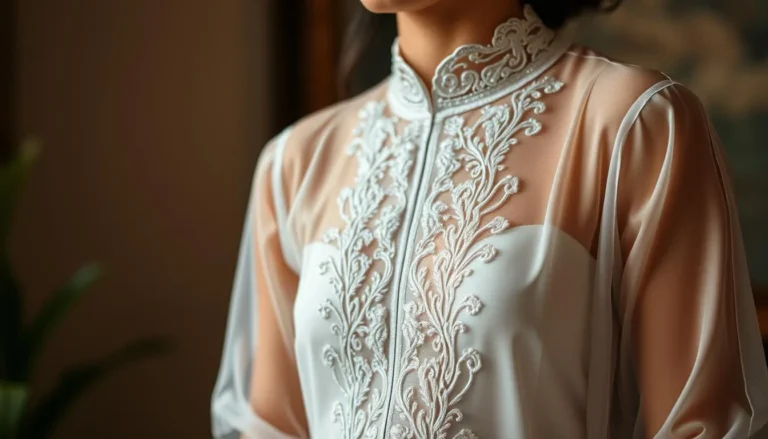
While the barong is traditionally worn by men, women have their own equally elegant national dress. The Maria Clara gown, the baro’t saya, and the modern terno with its iconic butterfly sleeves are the female counterparts to the barong. Many women also wear tailored Filipiniana-style barong dresses and blouses, adapting the embroidery and sheer fabrics of the barong into feminine silhouettes and gowns.
Together, the barong for men and the Filipiniana dresses for women complete the picture of Philippine formal attire. Discover the women’s side of the tradition in our features on the terno and the mestiza, bolero, and alampay.
Where to Shop: Custom vs Ready-to-Wear Barong
When buying a Barong Tagalog, you can choose between custom-tailored and ready-to-wear options. A custom barong is measured and made to your exact fit, lets you select the fabric and embroidery design, and produces the finest result, though it takes weeks and costs more. Ready-to-wear barongs are affordable and immediate, ideal when time or budget is tight.
Look for reputable makers in fabric hubs such as Lumban in Laguna, famous for its hand embroidery, or established barong shops in Manila and Cebu. If you are buying from abroad, many Filipino makers ship worldwide to serve the diaspora. Foreign buyers can find helpful context in our Barong and Filipiniana guide for foreigners.
How to Care for Your Barong Tagalog
A fine barong, especially one made of piña, requires gentle care. Hand wash or dry clean delicate fabrics, never wring the cloth, and hang the barong to dry away from direct sunlight. Iron on low heat, ideally with a cloth barrier to protect the embroidery. Store your barong flat or on a padded hanger to preserve its shape. With proper care, a quality Barong Tagalog can last for decades and even become a family heirloom passed down through generations. For finishing touches, see our tips on accessorizing your barong and Filipiniana.
Related guides on this site include Barong Tagalog for Kids, Budget-Friendly Modern Filipiniana Shopping Guide, Evolution of Filipino Fashion in Modern Culture, and The Significance of Barong in Religious & Political Events.
Frequently Asked Questions
What is the Barong Tagalog and what does it represent?
The Barong Tagalog is the national dress of the Philippines, a formal embroidered shirt worn by men. It represents Filipino identity, heritage, and elegance, blending pre-colonial and Spanish-era influences into a single iconic garment.
What are the best fabrics for a Barong Tagalog?
Piña, woven from pineapple fiber, is the finest and most formal fabric, ideal for weddings. Jusi is a popular, more affordable formal option, while ramie, cotton, and polyester blends suit everyday and ready-to-wear barongs.
What is the difference between custom and ready-to-wear Barong Tagalog?
A custom barong is tailored to your measurements with your choice of fabric and embroidery, offering the best fit and quality. Ready-to-wear barongs are pre-made in standard sizes, more affordable, and available immediately.
Can women wear a Barong Tagalog?
Yes. While the classic barong is menswear, women wear Filipiniana counterparts such as the Maria Clara gown, the baro’t saya, and the modern terno, as well as tailored barong-style dresses and blouses.
Is the Barong Tagalog appropriate for weddings?
Absolutely. The Barong Tagalog is the traditional and most popular choice for grooms and groomsmen at Filipino weddings, usually made from piña or jusi and coordinated with the entourage.
From its pre-colonial origins to the modern black barong on today’s runways, the Barong Tagalog remains a timeless expression of Filipino culture. Whether for a wedding, a formal event, or a celebration of heritage, wearing a barong is a way to carry a piece of the Philippines with pride.
The Barong Tagalog in Modern Filipino Fashion
Contemporary designers continue to reinvent the Barong Tagalog for a new generation. Slim-fit cuts, hidden buttons, and mandarin collars give the classic silhouette a sleek, modern edge, while fresh colors and mixed fabrics move the barong beyond formal halls and onto fashion runways. Younger Filipinos now wear casual barongs with denim or chinos, proving that the garment can be both a symbol of heritage and an everyday style choice. This modern barong movement keeps the tradition alive by making it relevant to the way people dress today.
The Barong Tagalog and the Filipino Diaspora
For millions of Filipinos living in the United States, Canada, and beyond, the Barong Tagalog is a powerful link to home. Overseas Filipinos wear the barong at community events, cultural nights, weddings, and Independence Day celebrations as a proud statement of identity. Many order custom barongs from makers in the Philippines and pass them down to their children, ensuring that the national dress remains part of family life across generations and continents. In this way the barong travels the world while keeping its Filipino soul.
Choosing the Right Barong for Every Occasion
Matching the barong to the event is the key to wearing it well. A hand-embroidered piña barong is reserved for the grandest occasions, such as weddings and state functions. A jusi barong works for most formal celebrations, while a polo barong or linen barong is perfect for the office, church, and semi-formal gatherings. When in doubt, choose a classic ivory barong, which suits nearly every occasion and never goes out of style.
How do you wear a Barong Tagalog correctly?
Wear the barong untucked over a plain white undershirt, paired with dark slacks and formal leather shoes. Keep accessories minimal so the embroidery stays the focus. The fit should be comfortable but not baggy, skimming the body without clinging to it.