Filipino Culture and Traditions: A Complete Guide
Filipino culture and traditions are among the richest and most diverse in Asia, shaped by centuries of indigenous heritage, Spanish and American influence, and the warmth of the Filipino people. From close family ties and vibrant fiestas to iconic food and traditional clothing, the culture of the Philippines is a living blend of the old and the new. This complete guide explores the values, customs, and traditions that define what it means to be Filipino.
With more than 7,600 islands and over a hundred ethnic groups, the Philippines is a nation of remarkable variety. Yet certain values and traditions unite Filipinos everywhere, at home and across the Filipino diaspora. Here is an overview of the most important aspects of Filipino culture.
What Defines Filipino Culture and Traditions?
At its core, Filipino culture is defined by a deep sense of community, faith, and family. Centuries of history, from pre-colonial indigenous societies to Spanish colonial rule and American influence, have layered together to create a unique cultural identity. Filipinos are known worldwide for their hospitality, resilience, and joyful spirit, qualities visible in everything from a simple family meal to a grand town fiesta.
Filipino heritage includes both tangible and intangible cultural treasures, from UNESCO World Heritage Sites to oral epics and traditional dances. Understanding these traditions offers a meaningful window into the soul of the Philippines.
Core Filipino Values
Several enduring values sit at the heart of Filipino culture. Bayanihan, the spirit of communal unity and helping one another, is perhaps the most celebrated, symbolized by neighbors carrying an entire nipa hut together. Pagmamano, or mano po, is the gesture of taking an elder’s hand to one’s forehead as a sign of respect. Other key values include utang na loob (a deep sense of gratitude), close family ties, and unmatched hospitality toward guests.
These Filipino values guide daily life and relationships, reinforcing respect for elders, loyalty to family, and generosity within the community. Learn more about respect in our feature on the community’s role in traditional Filipino family life.
Family and the Filipino Household
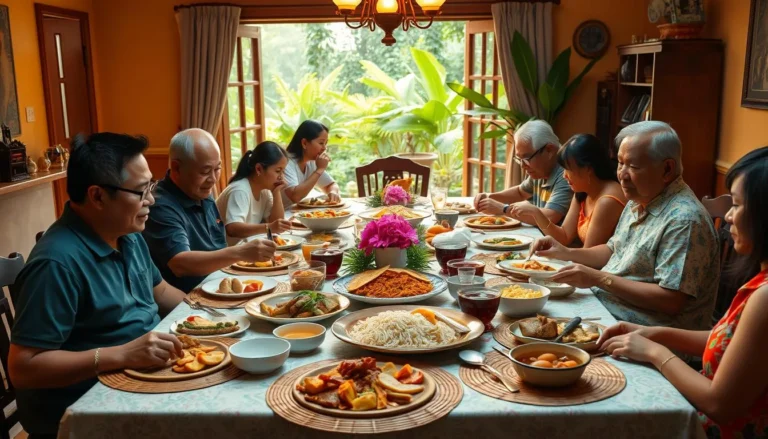
The family is the foundation of Philippine society. Filipino families are typically close-knit and extended, often including grandparents, aunts, uncles, and cousins under one roof or nearby. Children are raised to respect their elders and to value strong family ties above almost everything else.
Godparents, known as ninong and ninang, play an important role, sponsoring children at baptisms and weddings and becoming lifelong members of the extended family. This system of compadrazgo widens the family circle and strengthens community bonds. Explore this further in our article on extended family dynamics in modern Filipino homes.
Religion and Faith
Faith is woven deeply into Filipino culture. The Philippines is one of the largest Christian nations in Asia, with the majority of Filipinos being Roman Catholic, a legacy of Spanish rule. At the same time, Muslim Filipinos, particularly in Mindanao and Sulu, uphold rich Islamic traditions, and indigenous communities preserve their own ancestral beliefs.
Religious devotion shapes countless traditions, from Sunday Mass and Christmas Simbang Gabi to grand fiestas honoring patron saints. Christian churches, historic and modern, stand at the center of many towns as symbols of this enduring faith.
Festivals and Fiestas
Few things express Filipino culture more vividly than the fiesta. Nearly every town holds an annual festival, most in honor of a patron saint, filled with processions, street dancing, parades, and feasting. Famous celebrations like the Sinulog, Ati-Atihan, and MassKara draw millions each year in a dazzling display of faith and festivity.
These festive gatherings showcase the Filipino love of celebration and community. Discover the full range in our guide to festivals in the Philippines.
Traditional Filipino Clothing
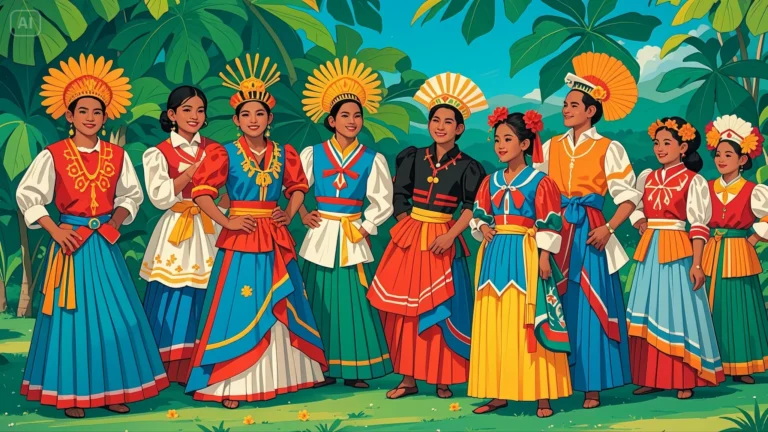
Traditional attire is a proud emblem of Filipino heritage. For men, the Barong Tagalog, an elegant embroidered shirt often made of piña or jusi, is the national dress, worn at weddings and formal occasions. For women, the terno, with its iconic butterfly sleeves, and the baro’t saya represent Filipina grace and elegance.
These garments blend indigenous, Spanish, and modern influences into something distinctly Filipino. Read our complete guide to the Barong Tagalog and the cultural significance of traditional Filipino clothing.
Filipino Cuisine and Food
Filipino food is a flavorful reflection of the country’s history and regions. Beloved dishes include adobo, the savory braised meat considered a national favorite; sinigang, a sour tamarind soup; lechon, whole roasted pig served at celebrations; and pancit noodles for long life. Adventurous eaters seek out balut and the countless street foods sold across the islands.
Food is central to Filipino hospitality, and no gathering is complete without a shared feast. Dig deeper into two classics in our guides to adobo recipes and sinigang.
Language and Ethnic Groups
The Philippines is home to more than 170 languages and over a hundred ethnic groups. Tagalog forms the basis of Filipino, the national language, while regional languages like Cebuano, Ilocano, and Bicolano thrive across the islands. English is widely spoken, a legacy of the American period.
This linguistic diversity mirrors the country’s many indigenous ethnic groups, from the peoples of the Cordillera in northern Luzon to the Maranao of Lanao and the Lumad of Mindanao. Each contributes its own traditions, crafts, and stories to the national tapestry. Learn more in our overview of the indigenous tribes of the Philippines.
Filipino Arts, Music, and Dance
The arts flourish in Filipino culture. Traditional music ranges from the romantic kundiman ballads to the rondalla string ensemble and the kulintang gongs of the south. Folk dances such as the tinikling, performed between clapping bamboo poles, and the graceful cariñosa express Filipino artistry and courtship.
The country has produced celebrated figures like opera singer Jovita Fuentes and composers Antonio Molina and Felipe Padilla de Leon, alongside a vibrant film industry and generations of gifted Filipino painters. Read about one enduring folk dance in our feature on the cariñosa.
Literature, Epics, and National Heroes
Philippine literature stretches from ancient oral epics to modern novels. The Darangen of the Maranao and the epic of Lam-ang from the Ilocos region preserve pre-colonial myth and heroism, both recognized for their cultural value. In the colonial era, national hero José Rizal awakened a nation with his novels Noli Me Tangere and El Filibusterismo.
These works, studied in institutions like the University of the Philippines and the University of Santo Tomas, remain central to Filipino cultural identity and pride.
Filipino Superstitions and Beliefs
Alongside formal religion, many Filipinos observe age-old superstitions and folk beliefs. Families welcome the New Year with twelve round fruits for prosperity, avoid sweeping at night, and heed warnings about spirits and omens. These beliefs, passed down through generations, blend indigenous animism with folk Catholicism.
Far from fading, such traditions remain a charming and meaningful part of everyday life. Explore them in our article on Filipino superstitions and beliefs.
Cultural Heritage Sites
The Philippines safeguards a wealth of cultural heritage sites. The Spanish colonial town of Vigan, the Baroque churches including Paoay, and the ancient Banaue Rice Terraces are among the country’s UNESCO World Heritage Sites. These landmarks preserve the tangible history of Filipino civilization for future generations.
Visiting them offers a vivid connection to the past. Plan a trip with our guides to Vigan and Paoay.
The Filipino Diaspora
Filipino culture extends far beyond the islands. Millions of overseas Filipino workers and members of the Filipino diaspora carry their traditions to every corner of the globe, from family gatherings and fiestas to food and faith. This global Filipino community keeps its heritage alive abroad while enriching the cultures of their adopted homes. Read about their impact in our piece on Filipino-American cultural contributions.
Frequently Asked Questions
What are the cultural traditions of the Philippines?
Filipino cultural traditions include bayanihan (communal unity), pagmamano (respect for elders), close family ties, town fiestas honoring patron saints, traditional clothing like the Barong Tagalog, and beloved food such as adobo and lechon.
What are examples of Filipino values?
Key Filipino values include bayanihan, utang na loob (gratitude), respect for elders through pagmamano, strong family ties, hospitality toward guests, and deep religious faith.
Why is family important in Filipino culture?
Family is the foundation of Philippine society. Filipino families are close-knit and often extended, providing support, identity, and belonging. Respect for elders and loyalty to family are among the most cherished Filipino values.
What makes Filipino culture unique?
Filipino culture is a unique blend of indigenous, Spanish, and American influences, expressed through its warm hospitality, vibrant fiestas, diverse languages, distinctive cuisine, and strong sense of family and faith.
From bayanihan and the family table to grand fiestas and timeless heritage, Filipino culture and traditions form a vibrant, living identity shared by millions at home and abroad. Explore our related guides to dive deeper into the customs, food, and celebrations that make the Philippines so extraordinary.
Filipino Sports and Games
Sports are another lively expression of Filipino culture. Arnis, also known as eskrima or kali, is the national martial art and sport of the Philippines, a discipline of stick fighting rooted in centuries of tradition. Basketball is a national obsession played in every barangay, and boxing gained global fame through icons like Manny Pacquiao. Traditional games such as sipa, patintero, and luksong tinik are still enjoyed by Filipino children, keeping old-fashioned street play alive alongside modern sports.
Celebrations and Milestones
Filipinos love to celebrate, and life is marked by festive milestones. Christmas is the longest and most cherished holiday, with Simbang Gabi dawn Masses and the glow of the parol lantern. On New Year, families gather for Media Noche and set out twelve round fruits for luck. Baptisms, debuts on a young womans eighteenth birthday, weddings, and fiestas all bring the extended family and community together around food, music, and faith. These celebrations reveal the Filipino gift for finding joy and togetherness in every occasion.
What are 10 Filipino customs and traditions?
Ten well-known Filipino customs include pagmamano (respect for elders), bayanihan (communal help), fiestas honoring patron saints, Simbang Gabi at Christmas, Media Noche on New Year, the use of po and opo in speech, wearing the Barong Tagalog and terno, godparent sponsorship, close extended family living, and the shared bayanihan spirit of hospitality toward guests.
How has Filipino culture been influenced by history?
Filipino culture reflects layers of history. Indigenous roots provide its languages, epics, and values; more than three centuries of Spanish rule brought Catholicism, fiestas, and the Barong Tagalog; and the American period introduced English and basketball. Together these influences created the distinctive blended culture seen across the Philippines today.
Why is it important to preserve Filipino culture and traditions?
Preserving Filipino culture and traditions keeps the nations identity strong across generations and around the world. Traditions like bayanihan, the fiesta, and respect for elders bind communities together, while heritage sites, epics, and folk arts safeguard the countrys history. For the millions in the Filipino diaspora, these customs are a vital link to home, reminding families of who they are no matter where they live.