January Festivals in the Philippines: Sinulog, Ati-Atihan, Dinagyang Chooser
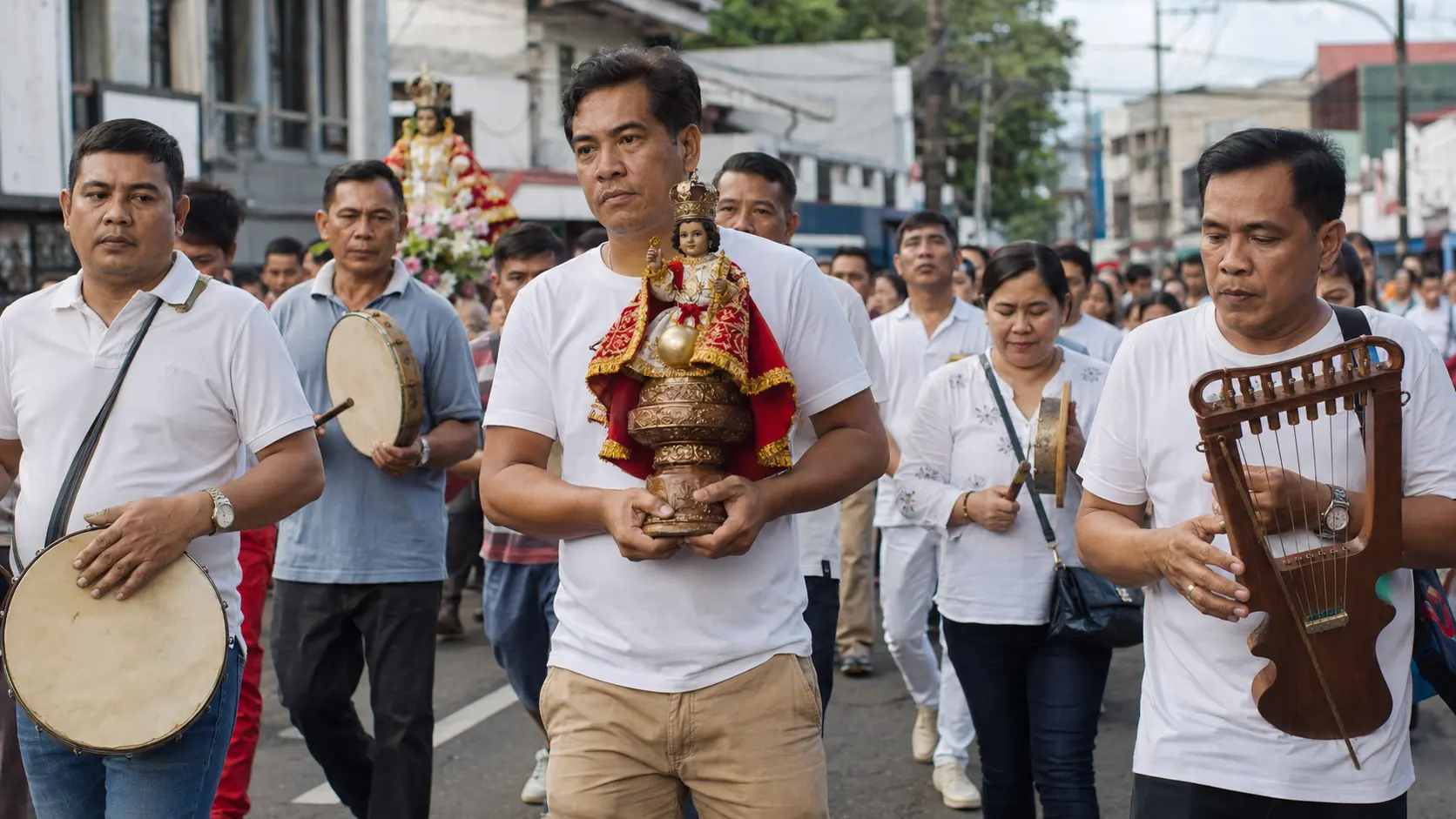
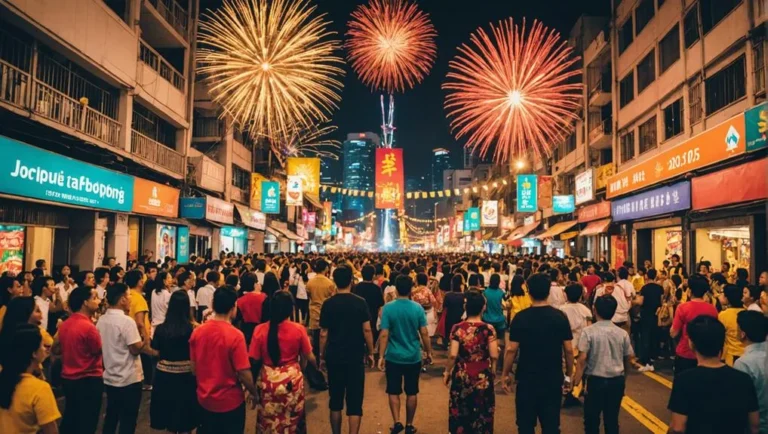
January festivals in the Philippines bring together some of the country’s most important public expressions of Christian devotion. The month includes the 9 January observance of Jesus Nazareno in Quiapo, Manila, and major Santo Niño celebrations in Cebu, Kalibo, and Iloilo.
Their calendars sit close together, but their histories, rituals, and organisers are not interchangeable. If you are choosing among Sinulog, Ati-Atihan, and Dinagyang, start with timing and purpose, then confirm the named year’s programme with the host church or city.
This guide expands the chooser inside this January URL. Use the chooser table on this January page rather than hunting for a separate versus URL. Customary feast timing is for orientation. Routes, contest dates, and detailed programmes remain year-specific.
Key facts
| Celebration | Place | Customary timing | Main focus |
|---|---|---|---|
| Jesus Nazareno feast and Traslacion | Quiapo, Manila | 9 January | Devotion to Jesus Nazareno, Masses, procession |
| Fiesta Señor and Sinulog | Cebu City | Third Sunday of January | Señor Santo Niño de Cebu, Basilica rites, civic festival |
| Kalibo Santo Niño Ati-Atihan | Kalibo, Aklan | Culminates on the third Sunday | Señor Santo Niño de Kalibo, sadsad, community contingents |
| Dinagyang Festival | Iloilo City | Fourth Sunday of January | Señor Santo Niño, religious observances, performance competitions |
At a glance
| Aspect | Detail |
|---|---|
| What | January cluster of major Christian devotion and Santo Niño civic festivals, plus the Quiapo Jesus Nazareno feast |
| Where | Quiapo (Manila), Cebu City, Kalibo (Aklan), and Iloilo City are the main peaks covered here |
| Usual timing cue | 9 January for Quiapo; third Sunday for Sinulog and Ati-Atihan; fourth Sunday for Dinagyang |
| Who to confirm | Quiapo shrine; Sinulog Foundation and Basilica; Kalibo LGU and parish; Iloilo Festivals Foundation |
| Best for | Travelers who pick one third-Sunday peak (Cebu or Kalibo), optionally add Dinagyang, and keep Quiapo as its own Manila plan |
- Sinulog and Ati-Atihan usually culminate on the same Sunday, so most travelers cannot experience both principal days in one year.
- Dinagyang customarily follows one week later, making Iloilo a practical follow-on after Cebu or Kalibo.
- In 2026, the third Sunday fell on 18 January; Basilica Fiesta Señor materials covered 8 to 18 January with Hubo on 23 January.
- Public reports and municipal promotions for Kalibo’s 2026 Ati-Atihan pointed to an extended January window culminating on 18 January; confirm future years with Kalibo organisers.
- Weather in January can still include rain, heat, and humidity. Do not plan on a guaranteed dry season.
Why January has several major celebrations
January is not one nationwide festival split among cities. It is a concentration of distinct local observances. Cebu, Kalibo, and Iloilo all honour the Santo Niño, the Child Jesus, but each developed its own devotion, civic organisation, and performance culture.
Manila’s Jesus Nazareno feast concerns an adult image of Christ carrying the cross and belongs to a different devotion.
The Basilica Minore del Santo Niño de Cebu records that the Cebu feast was originally associated with 28 April, linked to the finding of the Santo Niño image in 1565, and later transferred to the third Sunday of January.
That church history explains the stable Sunday pattern better than travel pages that treat one fixed calendar date as permanent for every year.
Sinulog vs Ati-Atihan vs Dinagyang: how to choose
Use this comparison to pick one third-Sunday peak and decide whether to add Iloilo afterward. Deep guides remain available for Sinulog, Ati-Atihan, and Dinagyang.
| Question | Sinulog / Fiesta Señor (Cebu) | Ati-Atihan (Kalibo) | Dinagyang (Iloilo) |
|---|---|---|---|
| Customary peak | Third Sunday | Third Sunday | Fourth Sunday |
| Best if you want | Major basilica cycle plus large civic parade | Open street sadsad energy and town-scale immersion | Formal tribe competitions and Kasadyahan showcases |
| Religious centre | Basilica Minore del Santo Niño | Kalibo Cathedral / Santo Niño devotion | San Jose Parish Placer and related rites |
| Civic flavour | Large city festival with organised contingents | Community drumming, calls, street participation culture | Polished performance institutions and provincial festival presentations |
| Common visitor mistake | Treating the parade as the whole feast | Imitating Indigenous identity or darkening skin | Assuming every stage show is a church rite |
| Practical pairing | Choose Cebu or Kalibo, not both peaks | Choose Kalibo or Cebu, not both peaks | Can follow either third-Sunday choice if transport allows |
Choose Sinulog / Fiesta Señor if…
You want the Basilica’s documented religious sequence (novena Masses, Walk with Jesus, Traslacion, fluvial and foot processions, traditional religious Sinulog, candle prayer, veneration, and later Hubo) plus Cebu’s civic grand parade.
Stay close enough to reach authorised Basilica entrances on foot. Expect screening and very dense movement in the old city. “Pit Senyor” calls belong to devotion, not only to photo captions.
Choose Ati-Atihan if…
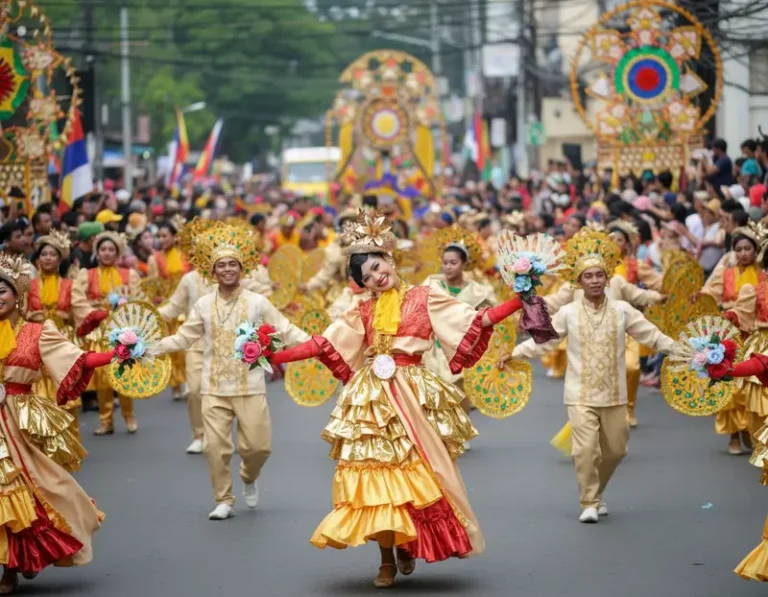
You want a town-scale Santo Niño celebration known for drums, lyres, rhythmic street movement called sadsad, and community contingents. Treat “Mother of All Philippine Festivals” and medieval founding stories as local storytelling unless a primary record supports them.
Contest “tribes” are often registered teams, not proof that every contingent is an Indigenous Ati community. Do not darken your skin or imitate Indigenous identity.
Choose Dinagyang if…
You want Santo Niño observance joined to formal performance competitions and Kasadyahan sa Kabanwahanan presentations from Iloilo municipalities. The Department of Tourism identifies the fourth Sunday as the customary main date.
That timing makes Iloilo the easiest major follow-on after Cebu or Kalibo. Confirm venues with Iloilo City and festival-foundation announcements for the year you attend. For city context beyond the festival weekend, see things to do in Iloilo City.
One-sentence chooser: Pick Cebu for basilica-centred scale, Kalibo for open street sadsad immersion, or Iloilo for polished competition week after the third Sunday; do not schedule Sinulog and Ati-Atihan as consecutive principal Sundays.
Jesus Nazareno feast in Quiapo (9 January)
Quiapo’s 9 January observance centres on Jesus Nazareno, the image of Christ carrying the cross. It appears in January calendars, but it is primarily a penitential and devotional feast, not casual street entertainment.
The shrine’s historical account is careful about transfer dates; follow current shrine programmes for novenas, Traslacion arrangements, and security rules rather than copying an old blog route.
- Observe only where public access is permitted and keep clear of the procession path.
- Do not attempt to touch the image or climb barriers.
- Keep bags minimal and follow the current list of prohibited items.
- Avoid close photographs of people praying or fulfilling vows unless they consent.
A realistic January itinerary
- Choose your purpose: devotion, open street participation, formal competition viewing, or comparative study.
- Select Cebu or Kalibo for the third Sunday. Do not depend on attending both culminations.
- Add Iloilo only after checking its fourth-Sunday programme. Leave a recovery and transfer day.
- Treat 9 January in Manila as its own crowd plan if you include Quiapo.
- Verify every flight, ferry, and road advisory with operators, not with undated festival blogs.
- Book lodging with a cancellation policy you understand, then ask about walking access when zones are published.
Cebu visitors can combine festival planning with broader city pages such as things to do in Cebu City and Cebu tourist spots, while keeping feast days focused on the Basilica calendar.
Crowd safety and respectful participation
- Follow church ushers, festival marshals, and local emergency instructions immediately.
- Wear secure footwear, carry permitted water, and minimise valuables.
- Set a meeting point outside procession or performance lanes.
- Do not touch devotional objects or join a ritual action unless invited and you understand it.
- Ask organisers about accessible viewing; dense streets and temporary barriers can make short map distances hard.
- Hearing protection may help near prolonged drumming, but stay alert to marshal instructions.
How to verify the next January programme
Start with the authority for the activity you want.
Use the Jesus Nazareno shrine for Quiapo, the Basilica Minore del Santo Niño de Cebu for Fiesta Señor, the Municipality of Kalibo and Ati-Atihan festival board for Kalibo civic information, and Iloilo city, provincial, or festival-foundation announcements for Dinagyang.
Department of Tourism pages help with customary timing. A dated local programme should control your daily itinerary. Place this month inside the wider complete festivals calendar and the types-focused festivals overview.
Quick summary
Which major festivals happen in the Philippines in January? Major January observances include the 9 January Jesus Nazareno feast in Quiapo, Fiesta Señor and Sinulog in Cebu, Ati-Atihan in Kalibo, and Dinagyang in Iloilo City.
Can you attend both Sinulog and Ati-Atihan on their main day? Usually no, because both customarily culminate on the third Sunday of January; choose one, then consider Dinagyang on the fourth Sunday if transport and recovery time allow. When is Dinagyang usually held?
The Department of Tourism identifies the fourth Sunday of January as Dinagyang’s customary main date, while opening events and venues vary by edition and must be confirmed locally.
Realistic multi-city time buffers (no fake prices)
January looks compact on a calendar. On the ground it is not. Use time buffers, not optimistic same-day hops. Do not copy undated blog budgets; confirm fares with airlines, ferries, and terminals for your dates.
| Itinerary idea | Minimum time logic | What to confirm |
|---|---|---|
| Quiapo only (9 January) | One focused Manila feast day, plus sleep before or after | Shrine programme, bag rules, procession access |
| One third-Sunday peak (Cebu or Kalibo) | Arrive at least one full day before the Sunday peak; leave the day after if you can | Foundation or Kalibo street map; Mass times |
| Third-Sunday peak + Dinagyang | Choose Cebu or Kalibo for the third Sunday; transfer toward Iloilo with at least one recovery or travel day before the fourth Sunday | Airport or ferry seats after the peak; Iloilo tribes venues |
| Quiapo + one Visayas peak | Separate the 9 January Manila plan from a later Cebu / Kalibo / Iloilo block. Do not stack Traslacion fatigue onto a same-week parade without rest | Domestic flight buffers; baggage rules for feast packs |
| Trying Cebu and Kalibo on the same principal Sunday | Not realistic for most travelers | Pick one; use the chooser table above |
- Build slack for delayed flights, closed roads, and phone signal drops in dense streets.
- Book lodging with a cancellation policy you understand until the year’s venues are posted.
- Verify every flight, ferry, and road advisory with operators, not with undated festival blogs.
Quiapo sequencing and safety
The 9 January Jesus Nazareno observance in Quiapo is a penitential and devotional feast. It is not a warm-up act for Sinulog. Sequence it as its own crowd plan.
- If you include Quiapo, do it as a Manila block around 9 January, then travel south for a later Santo Niño weekend. Do not treat Traslacion morning as a same-day hop to Cebu.
- Observe only where public access is permitted. Keep clear of the procession path.
- Do not attempt to touch the image or climb barriers.
- Keep bags minimal and follow the current list of prohibited items from shrine and police notices.
- Avoid close photographs of people praying or fulfilling vows unless they consent.
- Agree on a meeting point outside the densest corridor before you enter.
Deeper internal links for the trip you chose
- Sinulog Festival Philippines for Basilica vs civic split, viewing, and Cebu lodging zones
- Ati-Atihan Festival Philippines for Kalibo sadsad, KLO vs Caticlan, and soot etiquette
- Dinagyang Festival Philippines for tribes day, IFFI, and food-festival overlay
- Things to do in Cebu City and Things to do in Iloilo City for non-feast city days
- Complete festivals guide for the wider month calendar
- What are fiestas for invitation and worship etiquette
FAQ
Which major festivals are held in the Philippines in January?
Major January observances include the 9 January Jesus Nazareno feast in Quiapo, Fiesta Señor and Sinulog in Cebu, Ati-Atihan in Kalibo, and Dinagyang in Iloilo City. Each has separate organisers and traditions.
Can I attend both Sinulog and Ati-Atihan on their main day?
Usually no. Cebu’s Fiesta Señor and Kalibo’s Ati-Atihan both customarily culminate on the third Sunday of January. Choose one principal Sunday and confirm the current official calendars.
When is Dinagyang Festival usually held?
The Department of Tourism identifies the fourth Sunday of January as Dinagyang’s customary main date. Opening events, processions, and competitions vary by edition.
Is the Jesus Nazareno Traslacion a cultural festival?
It is primarily a Catholic devotional feast and procession centred on Jesus Nazareno. It appears in January calendars, but visitors should approach it as worship rather than street entertainment.
Sinulog vs Ati-Atihan vs Dinagyang: which should first-time visitors pick?
Pick Cebu for a major basilica cycle and large civic parade, Kalibo for town-scale sadsad immersion, or Iloilo if you prefer the fourth-Sunday competition calendar or a follow-on after either third-Sunday choice. Confirm with the host city or parish for the year you travel.
—