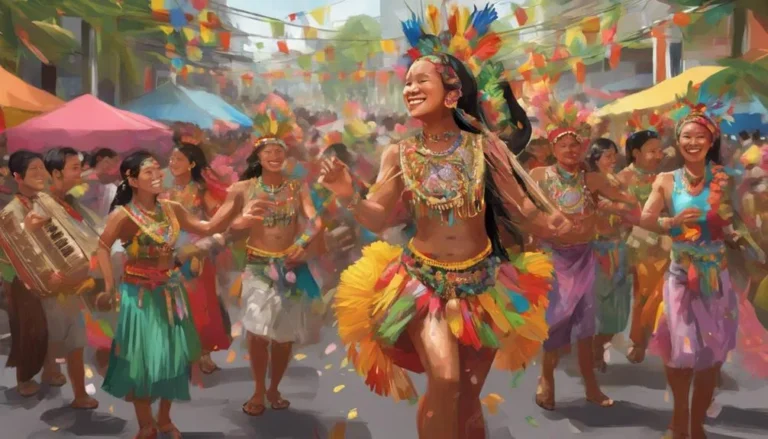
Dinagyaw sa Tablas: Negros Occidental Dinagyaw sa Tablas Festival Guide
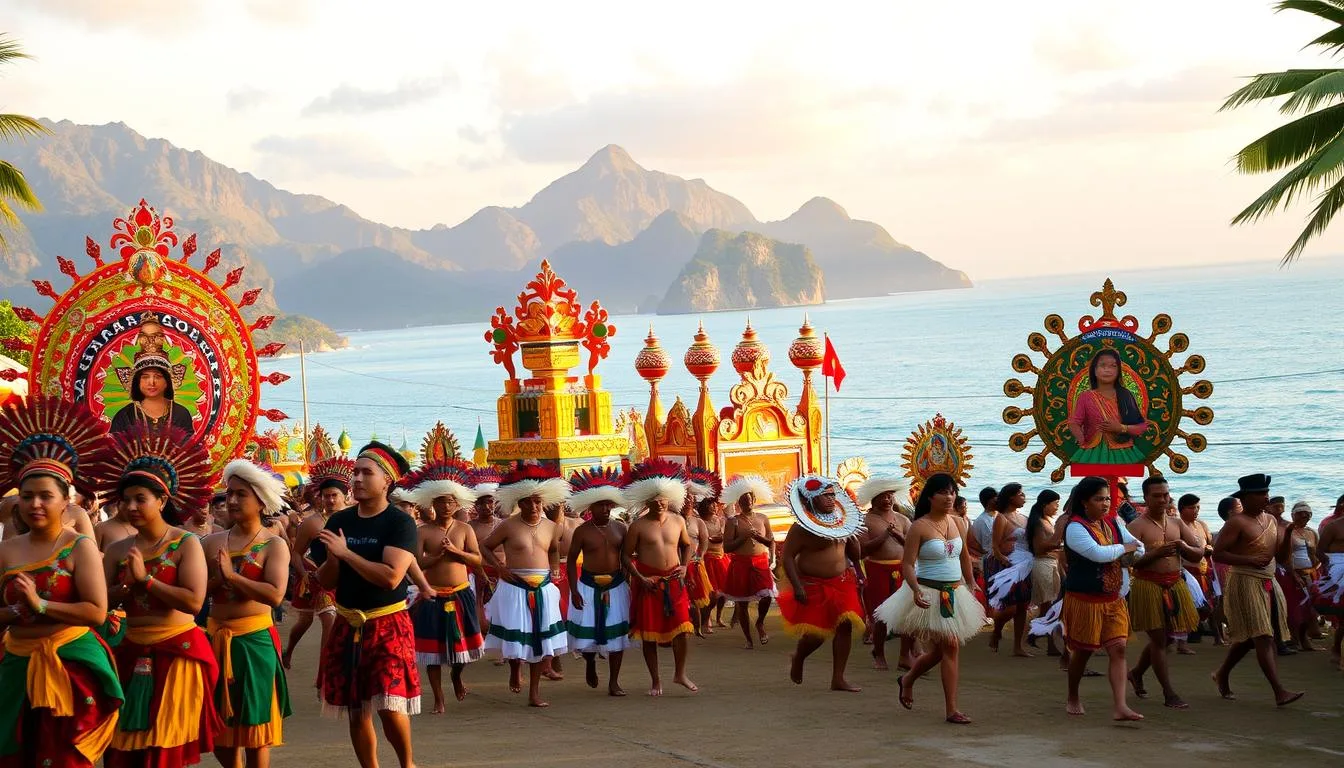
Dinagyaw sa Tablas is Candoni’s annual festival in Negros Occidental, culminating every February 11 with the feast of Our Lady of Lourdes. The name pairs dinagyaw, the Hiligaynon word for bayanihan, the Filipino tradition of communal cooperation, with Tablas, the town’s old name. The festival was renamed in 2009 from its original title, Pabalhas sa Tablas, to put that spirit of unity front and center.
This guide covers what Dinagyaw sa Tablas means, how Candoni’s history shaped it, and how the town celebrates it today.
At a Glance
| Fact | Detail |
|---|---|
| Meaning | “Dinagyaw” = bayanihan spirit, “Tablas” = old town name |
| Where | Candoni, Negros Occidental, Western Visayas |
| When | Culminates February 11 |
| Honors | Our Lady of Lourdes, the town’s patroness |
| Celebrates | Harvest, faith and community cooperation |
| Formerly called | Pabalhas sa Tablas Festival |
| Renamed | 2009 |
| Town founded | 1935, as the Tabla Valley Settlement |
Key point
“Tablas” in the festival’s name refers to Candoni’s old name, Tabla Valley, not Tablas Island in Romblon. The two share a name by coincidence, not by connection.
What Dinagyaw sa Tablas Is
Dinagyaw sa Tablas is a cultural, harvest and religious festival celebrated in Candoni, a municipality in Negros Occidental. It runs each year around the town’s patronal feast honoring Our Lady of Lourdes, blending faith, thanksgiving for the harvest and a display of local culture. It stands as one of the highlights of Candoni’s yearly calendar, pulling the whole community into a shared celebration.
The Meaning of the Name
Dinagyaw is a Hiligaynon word describing bayanihan, the Filipino tradition of a community coming together to complete a shared task through collective effort. Tablas is Candoni’s old name, tied to the Tablas mountain range on whose slopes the town sits. Combined, “Dinagyaw sa Tablas” reads as the spirit of communal unity in the town once known as Tablas.
Candoni itself carries a separate origin story. Local tradition traces the name to Kan Dune, meaning “belonging to Dune,” after a legendary maiden named Dionesia who took her own life rather than marry a man chosen for her.
From Pabalhas to Dinagyaw
The celebration has changed names as its emphasis shifted. Under an earlier town administration, Candoni’s fiesta was known as the Pabalhas sa Tablas Festival, from pabalhas, a Hiligaynon term for perspiration, honoring the sweat and labor of the town’s settlers. The festival was renamed in 2009 to highlight the spirit of bayanihan, shifting focus from individual hard work to the cooperative spirit that built the town.
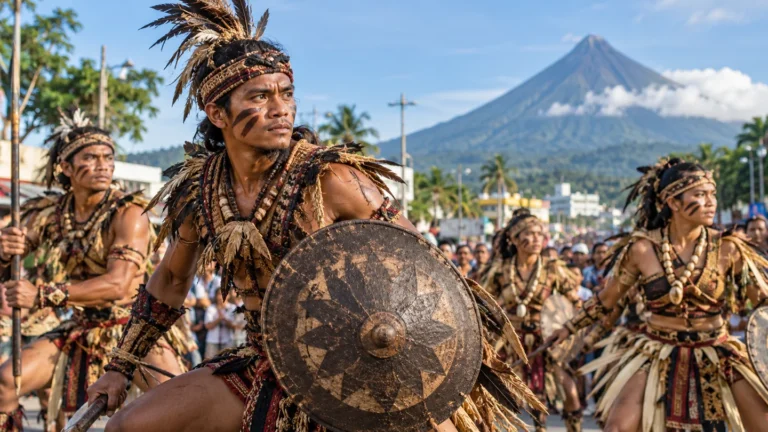
That shift is not just branding. Street dance performances at the festival still reenact the settlers’ struggle clearing land and cutting the tough tabla trees the region is named for, some locally believed to have been protected by spirits.
| Era | Festival name | Meaning behind the name |
|---|---|---|
| Earlier administration | Pabalhas sa Tablas | Pabalhas (sweat) + Tablas, honoring settlers’ physical labor |
| Since 2009 | Dinagyaw sa Tablas | Dinagyaw (bayanihan spirit) + Tablas, honoring communal cooperation |
Both names point back to the same founding story. What changed was which part of that story the town chose to put on the marquee: the sweat of individual settlers, or the cooperation that let them succeed at all.
Candoni’s Founding Story
The festival’s themes trace directly back to Candoni’s origin. The town was founded in 1935 by Santiago “Tagoy” Diego, a settler from Isabela who led a group into what was then called the Tabla Valley Settlement, home to the Magahat-Bukidnon and Ata communities before newer arrivals from Panay and Cebu joined them. The settlement’s central role in area trade earned settlers the name “Tableño.”
Candoni became a separate municipality on August 22, 1958, through Executive Order No. 314 signed by President Carlos P. Garcia, and it was formally inaugurated on August 12, 1961. Before that, Candoni existed as a barrio of the neighboring municipality of Cauayan.
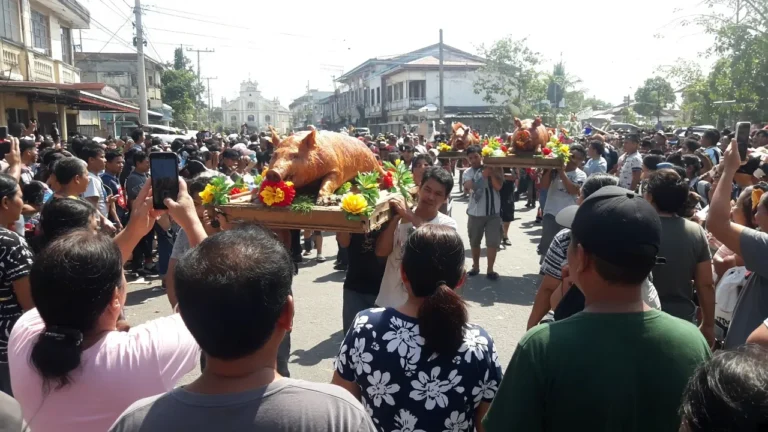
It took a sustained campaign by Tableño representatives, carried all the way to Malacañang, to win recognition as its own town. When the inauguration finally happened, residents marked the occasion with a roasted calf in front of the provincial governor.
The town’s Catholic parish, home to the Our Lady of Lourdes devotion at the center of the festival, was established in 1951, predating Candoni’s official status as a municipality by seven years. That sequence, faith arriving before formal governance, still shapes how the festival balances its religious and civic halves today.
How Dinagyaw sa Tablas Is Celebrated
Modern editions of the festival combine religious observance with a full week of civic and cultural programming.
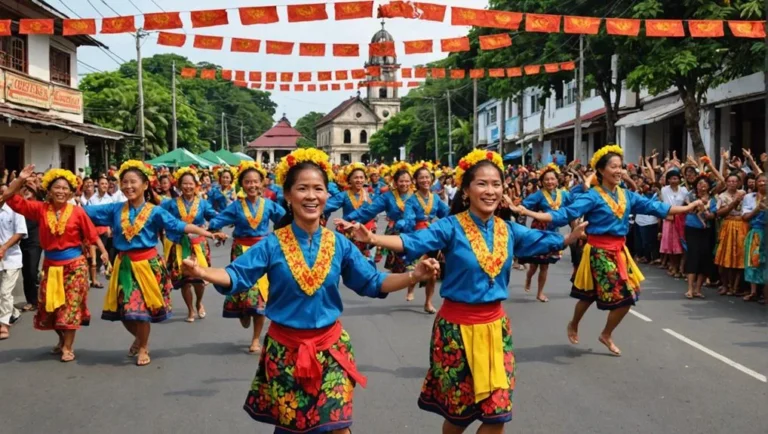
- Street dance and arena competition: barangay contingents compete at the Candoni Sports Center, the festival’s biggest single draw.
- Thanksgiving Mass and procession: honoring Our Lady of Lourdes, preceded by a novena that begins February 2.
- Float parade and cultural presentations: showcasing local traditions, music and heritage.
- Beauty pageants: including Lin-ay sang Tablas and a high school division.
- Sports events, trade fairs and fireworks: rounding out the week-long calendar.
Note
Barangay Caningay has dominated the street dance competition in recent years, winning the championship in 2023, 2024 and again in 2025, a grand slam that made it the contingent to watch heading into later editions.
The 2025 edition marked the festival’s 12th run under its current name, themed “Dagyaw sa Kabuganaan,” building on the previous year’s “Dagyaw sa Pag-uswag.” Both themes tie communal effort directly to the town’s progress, keeping the bayanihan concept central even as the event has grown.
A Harvest of Gratitude
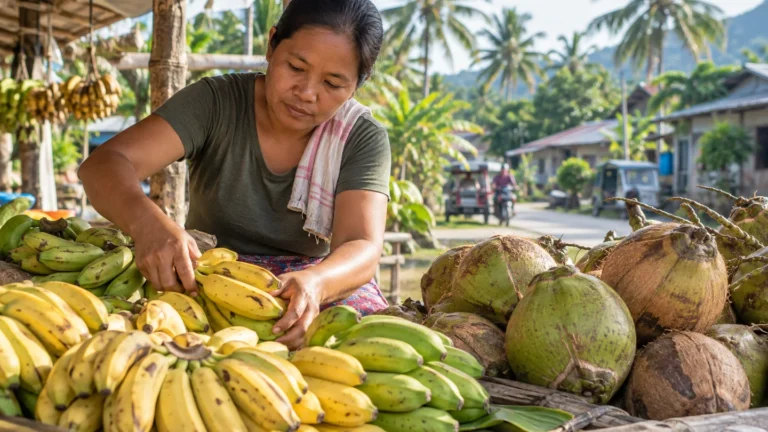
Dinagyaw sa Tablas is also a harvest festival. Candoni, like much of Negros Occidental, is an agricultural community, and the celebration recognizes the farmers and workers whose labor sustains the town through produce displays, communal feasting and public thanksgiving for the season’s yield.
That agricultural identity is not incidental to the festival’s name. The original Pabalhas sa Tablas title celebrated the physical toil of clearing farmland from forest, and even after the 2009 rename, harvest displays and produce showcases remain fixed points on the week’s schedule, sitting alongside the more performance-driven street dance competition.
Tip
Time a visit around February 2, when the pre-feast novena begins, if you want to see the festival’s religious side build gradually rather than arriving only for the February 11 culmination.
Practical Details for Visitors
Candoni sits in southern Negros Occidental, reachable by road from Bacolod City, the provincial capital, in a few hours depending on traffic and route conditions. Because Candoni is a smaller municipality than Bacolod or Silay, accommodation options are limited, and many visitors base themselves in a larger nearby town and travel in for the festival’s peak days around February 11.
- Confirm the exact street dance and arena competition schedule with the municipal tourism office, since specific festival week dates shift slightly year to year around the fixed February 11 culmination.
- Expect the heaviest crowds on the culmination day itself, when the Mass, procession and arena finals typically draw the largest turnout.
- Pack for outdoor heat during daytime events and bring cash, since smaller-town trade fairs and food stalls may not accept cards.
Part of Negros Occidental’s Festive Culture
Dinagyaw sa Tablas sits alongside the province’s bigger-name events, including Bacolod’s MassKara Festival, as one of many town fiestas that give Negros Occidental its reputation for celebration. It holds its own place as Candoni’s specific expression of that culture, proof that a smaller municipality can build a festival with real depth and a documented history behind it, not just a borrowed format copied from its bigger neighbors.
Frequently Asked Questions
What does Dinagyaw sa Tablas mean?
Dinagyaw sa Tablas combines dinagyaw, a Hiligaynon word for the bayanihan spirit of communal cooperation, with Tablas, the old name of Candoni town.
Where is Dinagyaw sa Tablas held?
In Candoni, a municipality in Negros Occidental, Western Visayas. The Tablas in its name refers to the town’s old name, not Tablas Island in Romblon.
When is Dinagyaw sa Tablas celebrated?
The festival culminates on February 11 each year, timed to the feast of Our Lady of Lourdes, Candoni’s patroness, with a week of lead-up events and a novena beginning February 2.
What was the festival called before?
It was formerly known as Pabalhas sa Tablas Festival, from pabalhas, meaning perspiration, before being renamed Dinagyaw sa Tablas in 2009 to emphasize the bayanihan spirit.
What happens during the festival?
Events include a street dance and arena competition among Candoni’s barangays, a thanksgiving Mass and procession, a float parade, beauty pageants, sports events and cultural presentations.
Conclusion
Dinagyaw sa Tablas ties Candoni’s Catholic devotion, its agricultural life and its founding story into one week every February. The 2009 rename from Pabalhas to Dinagyaw did not erase the town’s history of hard labor; it just put the bayanihan spirit that made that labor possible at the center of the story.
The festival also sits in good company on the national calendar; our guide to Philippine festivals in February covers what else runs the same month, from Panagbenga to the Paraw Regatta.
Travelers building a wider Negros Occidental itinerary can pair a visit with Silay City or browse the full Festivals calendar for what else in the province is worth the detour beyond Candoni’s own week of celebration.