Filipino Herbal Medicine: Natural Healing Traditions
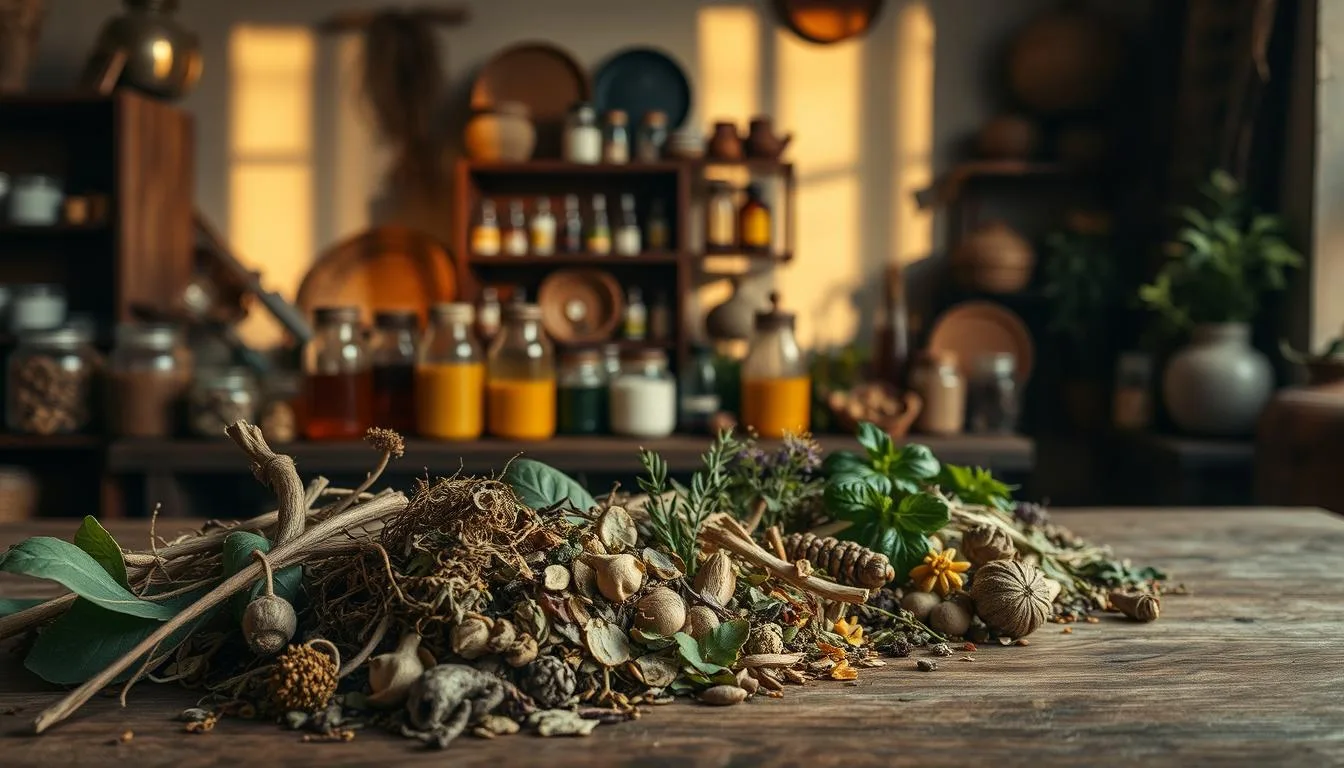
For centuries, communities across the Philippines have nurtured a vibrant tradition of using plants and natural ingredients to support health. Passed down through generations, this knowledge blends cultural wisdom with practical remedies found in kitchens and gardens. Many households still rely on trusted practices, like sipping ginger tea for colds or applying leaves to soothe fevers.
Some traditional plants are being studied and standardized, but customary use does not by itself prove safety or effectiveness. The Philippine Institute of Traditional and Alternative Health Care (PITAHC) herbs directory summarizes selected plants and advises readers to consult a healthcare professional before use.
This system thrives on community-driven care, where remedies are shared openly and adapted to local needs. Over 1,500 plants are documented for their healing properties, with 120 validated by scientific standards. The Department of Health actively promotes ten clinically tested varieties, ensuring safe integration into daily life.
As we explore these traditions, we’ll uncover how ancestral practices inform current wellness strategies, and why preserving this knowledge matters more than ever.
Key Takeaways
- Centuries-old practices use locally grown plants for everyday health needs.
- Common remedies like ginger tea and sambong leaves bridge past and present.
- Modern studies validate traditional uses, with 120 plants meeting safety standards.
- Community knowledge shapes accessible, culturally rooted care methods.
- The Department of Health endorses specific herbs for clinical effectiveness.
Overview of Traditional Filipino Herbal Medicine
Generations of healers have turned to the land to address both common ailments and complex conditions. This wisdom evolved through trade routes, colonial influences, and indigenous innovation, creating a tapestry of plant-based solutions. From monsoon-soaked forests to coastal villages, every region developed unique practices rooted in local ecosystems.
Historical Roots and Development
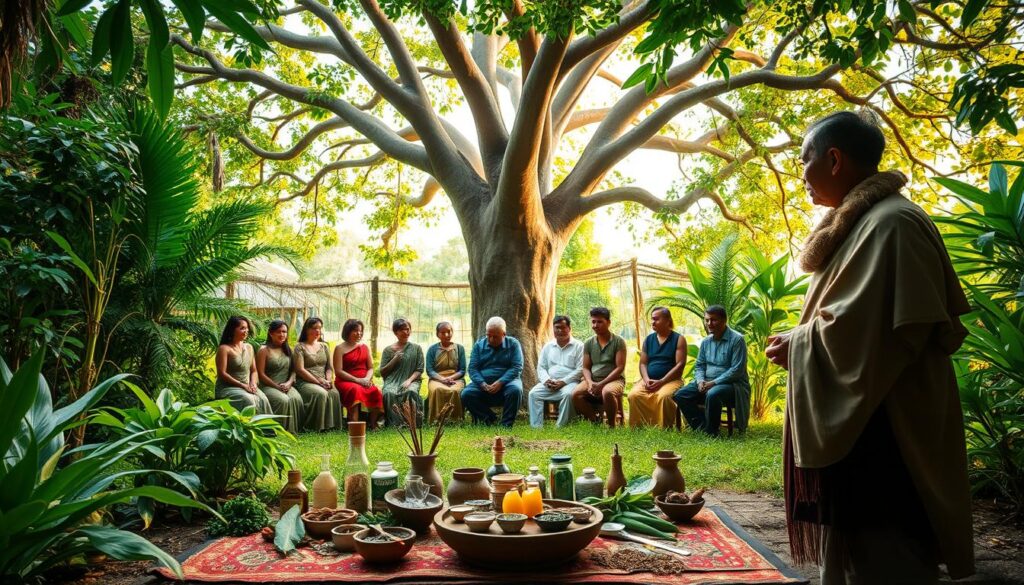
Ancient rituals laid the foundation for today’s remedies. The babaylan, spiritual healers, combined medicinal leaves with prayers, believing
“illness stems from imbalance between body and spirit”
. Spanish missionaries later documented these methods, merging them with Christian symbolism. Tribes like the Agusan Manobo still use 90+plantspecies, preserving knowledge through oral traditions.
Cultural Significance in Daily Life
Mothers often serve as first-line caregivers, brewing ginger tonics for coughs or applying warmed sambong leaves to reduce fevers. Remedies intersect with life milestones: new mothers receive hilot massages, while elders share turmeric tonics for joint health. Even commercial products like menthol balms coexist with ancestral practices, showing adaptability across eras.
The Department of Health now validates select traditions, ensuring safety while honoring their role in communities. As one provincial nurse notes,
Traditional plant knowledge is part of cultural heritage, but medical claims require evidence and professional guidance.
Health Benefits and Natural Uses of Herbal Remedies
From backyard plants to pantry staples, natural solutions play dual roles in prevention and healing. Many households keep ingredients like garlic and ginger within reach, using them as both culinary staples and medicine. These resources offer accessible alternatives to commercial products while maintaining cultural relevance.
Preventive and Therapeutic Benefits
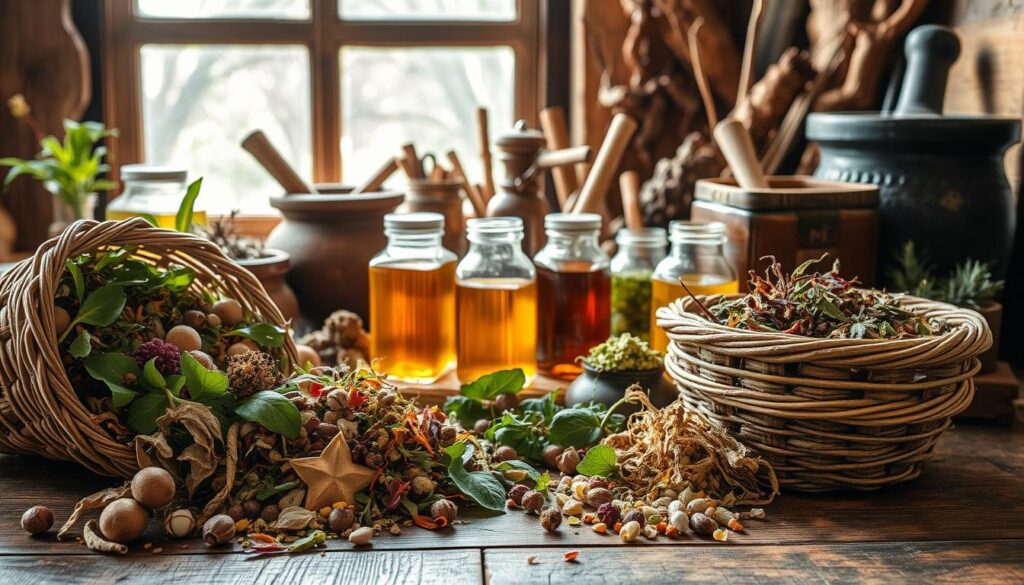
Daily consumption of certain plants strengthens the body’s defenses. Garlic, rich in antioxidants, helps lower cholesterol and supports heart health when added to meals. Calamansi mixed with honey creates a vitamin C-rich tonic that combats seasonal cough while boosting immunity. Studies show ginger tea reduces inflammation, making it effective for soothing sore throats and digestive issues.
Home Remedy Applications in Everyday Health
Do not use homemade lagundi preparations or garlic paste as a substitute for assessment of breathing problems, infection, or wounds. Acute or worsening symptoms need advice from a qualified healthcare professional.
Tell a healthcare professional about every herb or supplement you use because interactions and delays in effective treatment can cause harm.
Proper preparation matters, boiling sambong leaves for 10 minutes extracts their diuretic benefits safely. While modern drugs address severe cases, these approaches provide first-line care rooted in generations of trial and adaptation.
Exploring Filipino Herbal Medicine in Modern Health Practices
Research and standardization can distinguish a tested product from a home preparation. PITAHC’s current directory notes clinical antitussive use for lagundi in the Philippine setting, but product registration, dose, age limits, and contraindications still matter.

Integration with Contemporary Healthcare
Lagundi should not be described as equivalent to asthma medicines or as having fewer side effects without a directly applicable clinical source. Asthma can be serious; follow a clinician’s treatment plan and use only appropriately registered products as directed.
“These remedies fill gaps in rural areas where pharmacies are scarce.”
Bridging Ancient Wisdom and Innovation
Commercial production and research do not make every herbal product equivalent. Check whether a product is registered for its stated use, and avoid unsupported sales-growth or therapeutic claims. The Philippine FDA warns against promoting food or dietary supplements for therapeutic purposes.
Challenges remain, such as standardizing wild-harvested plants. Yet collaborations prove ancestral knowledge can evolve. As one researcher observes, “People trust these methods because they’ve worked for generations, now we’re proving why.”
Popular Medicinal Plants and Their Traditional Applications
Kitchens and gardens across the islands double as natural pharmacies, stocked with trusted remedies passed through generations. Three plants stand out for their versatility and widespread use, offering solutions for everything from seasonal sniffles to chronic discomfort.
Calamansi, Lagundi, Turmeric, and More
Lagundi appears in PITAHC’s selected herbs directory, which describes a clinical antitussive use in the Philippine setting. That limited description does not establish homemade lagundi as a treatment for asthma, skin disease, or every sore throat.
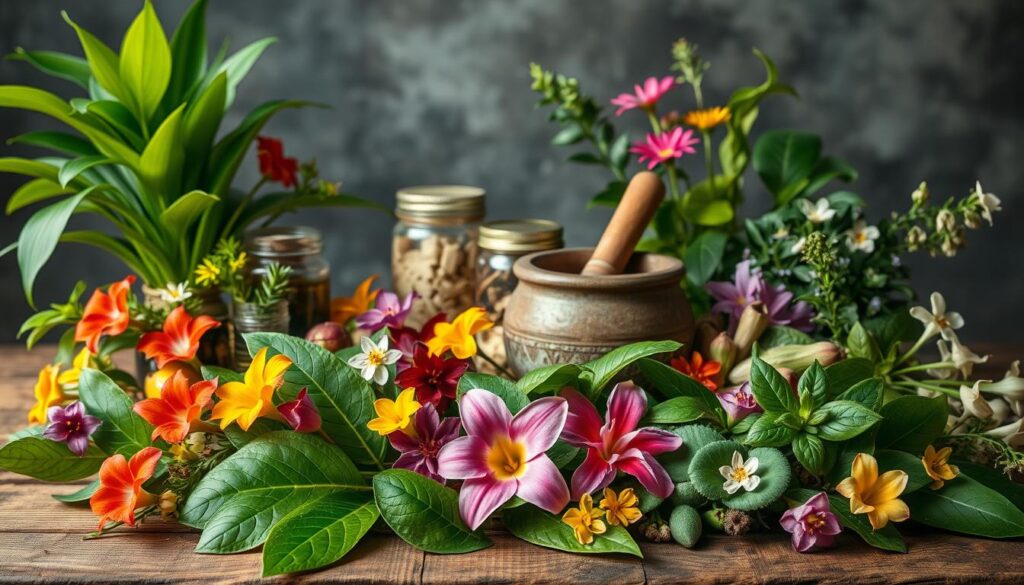
Tart calamansi fruits mix with honey to create vitamin-packed tonics for colds. Turmeric roots, grated into golden pastes, reduce inflammation in joints and wounds. Yerba buena leaves tackle headaches when steeped, while sambong brews act as natural diuretics.
Traditional Preparation Methods and Uses
Most remedies follow simple steps:
- Boil fresh leaves for 10 minutes to extract active compounds
- Crush plant parts into pastes for topical use
- Combine with pantry staples like vinegar or coconut oil
Do not use universal household dosing instructions for lagundi or guava preparations. Persistent cough, diarrhea, dehydration, breathing difficulty, blood in stool, or symptoms in a young child require prompt professional advice.
“These methods cost nothing but time, and they’ve outlasted every drugstore.”
Modern households still use these approaches, proving that nature’s pharmacy remains relevant. Economic accessibility and ecological sustainability make these medicinal plants indispensable for home care.
Scientific Insights: Efficacy and Research on Herbal Treatments
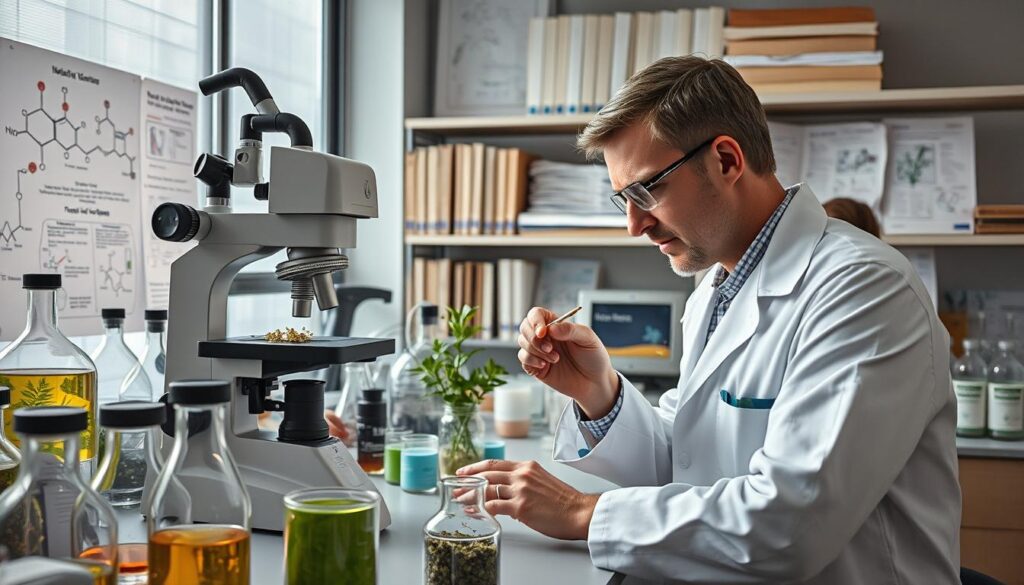
Recent breakthroughs in pharmacological research are unlocking why traditional plant-based remedies deliver measurable results. Institutions like the University of the Philippines Diliman collaborate with global labs to analyze bioactive compounds, transforming ancestral knowledge into evidence-based solutions.
Clinical Evidence and Government-Endorsed Remedies
The Department of Health rigorously evaluates remedies, approving only those meeting safety benchmarks. Lagundi syrup, derived from Vitex negundo leaves, passed clinical trials for treating asthma and coughs. Studies show it reduces symptoms comparably to synthetic drugs while causing fewer side effects.
Early laboratory findings about a plant extract do not establish a safe or effective human treatment. Putak should not be presented as a cancer or inflammatory-disease therapy without verified human clinical evidence and regulatory authorization.
Academic Research and Modern Studies
Universities lead in standardizing dosages and isolating active ingredients. The table below contrasts traditional and modern approaches:
| Before using a product | What to verify | Why it matters |
|---|---|---|
| Registration | Current Philippine FDA registration and authorized claims | Registration and labeling are product-specific |
| Evidence | Human evidence for the exact preparation and use | Laboratory findings do not prove clinical benefit |
| Professional advice | Dose, interactions, age limits, pregnancy, and medical conditions | “Natural” does not mean risk-free |
Ongoing studies explore turmeric’s anti-diabetic properties and guava leaf applications for gastrointestinal issues. As one researcher notes:
“Standardization bridges tradition and innovation, it’s how we build trust in both worlds.”
Recipes and Methods for Natural Treatment
Mastering the art of natural healing starts with understanding proper preparation methods. Simple ingredients become powerful solutions when measured accurately and timed precisely. This section breaks down trusted techniques to create effective remedies at home.
Step-by-Step Preparation of Herbal Remedies
Calamansi and honey are common food ingredients, but this article does not prescribe a therapeutic recipe or dose. Honey must not be given to infants under one year, and persistent or severe throat symptoms need medical assessment.
Lagundi preparations vary in strength and formulation. Do not apply a universal homemade recipe or dose; use an appropriately registered product only as directed and ask a healthcare professional about suitability.
Guidelines for Safe Use and Dosage
Clean preparation reduces contamination but does not establish a safe dose. Avoid applying concentrated garlic or other irritants to skin, and do not use a universal daily limit without guidance specific to the person and product.
Consult a healthcare professional before using medicinal herbs, especially for children, pregnancy, older adults, chronic disease, prescribed medicines, or persistent and severe symptoms.
Safety depends on correct identification, preparation, dose, product quality, interactions, and the person’s health—not only careful measuring.
| Safety check | Question to ask | Next step |
|---|---|---|
| Product | Is it registered and labeled for this use? | Verify with the Philippine FDA |
| Person | Could age, pregnancy, illness, allergy, or medicines change the risk? | Ask a healthcare professional |
| Symptoms | Are symptoms severe, worsening, or persistent? | Seek timely medical care |
Indigenous Knowledge and Community Healing Practices
The heartbeat of ancestral healing thrives in collaborative efforts between generations. Local experts known as traditional healers act as living libraries, preserving remedies tested by time. Their wisdom extends beyond plants, they read pulses, realign bones, and address spiritual imbalances through rituals like bulong whispered prayers.
Role of Traditional Healers and Local Wisdom
In Visayan villages, elders teach children to identify guava leaves for digestive issues. When dysentery strikes, families brew bark decoctions using methods unchanged for centuries. A healer from the Kalanguya tribe explains:
Traditional healers can preserve cultural knowledge, but diagnosis and treatment claims should not exceed their verified training or replace licensed medical care.
Practices such as herbal steaming or tuob continue in some communities, but they should not be portrayed as physiotherapy or supported by an unverified practitioner count. Steam can cause burns and does not replace medical treatment.
Preserving and Valuing Ancestral Methods
PITAHC documents selected traditional and alternative health practices, but this does not validate every household remedy. Do not use an unverified mangosteen claim for childhood diarrhea; preventing dehydration and obtaining appropriate medical advice are the priorities.
| Problem | Unsafe assumption to avoid | Appropriate action |
|---|---|---|
| Dysentery or bloody stool | Herbal tea is equivalent to diagnosis and treatment | Seek urgent medical advice |
| Diarrhea | A peel brew replaces oral rehydration | Prioritize hydration and professional guidance |
| Persistent pain | A traditional practice is proven superior to medicine | Obtain assessment for the cause |
Youth apprenticeship programs now pair healers with medical students. As one collaborator notes:
“Bridging these worlds ensures no knowledge gets left behind.”
Festivals celebrating localpracticesfurther cement their role in cultural identity.
Conclusion
Ancestral knowledge can guide research, but evidence is specific to a plant, preparation, dose, condition, and study. Lagundi or turmeric should not be generalized as clinically tested treatments for asthma, skin conditions, or chronic pain without directly applicable evidence and regulatory authorization.
Research shows traditional methods complement modern health care, offering accessible solutions with fewer side effects. Approved drugs derived from local plants provide alternatives for patients in underserved areas. Daily practices, such as sipping ginger brews, demonstrate how preventive medicine integrates seamlessly into routines.
Looking ahead, collaborations between communities and scientists may also unlock new applications for lesser-known plants. Health professionals emphasize measured use, proper dosages ensure remedies remain effective without risks. As interest grows, preserving indigenous knowledge becomes vital to advancing global medicine.
By valuing both innovation and tradition, we create a health care system that honors heritage while embracing progress. Continued dialogue and research will sustain these practices, ensuring they benefit future generations.