Filipino Hospitality: Family Values & Cultural Traditions
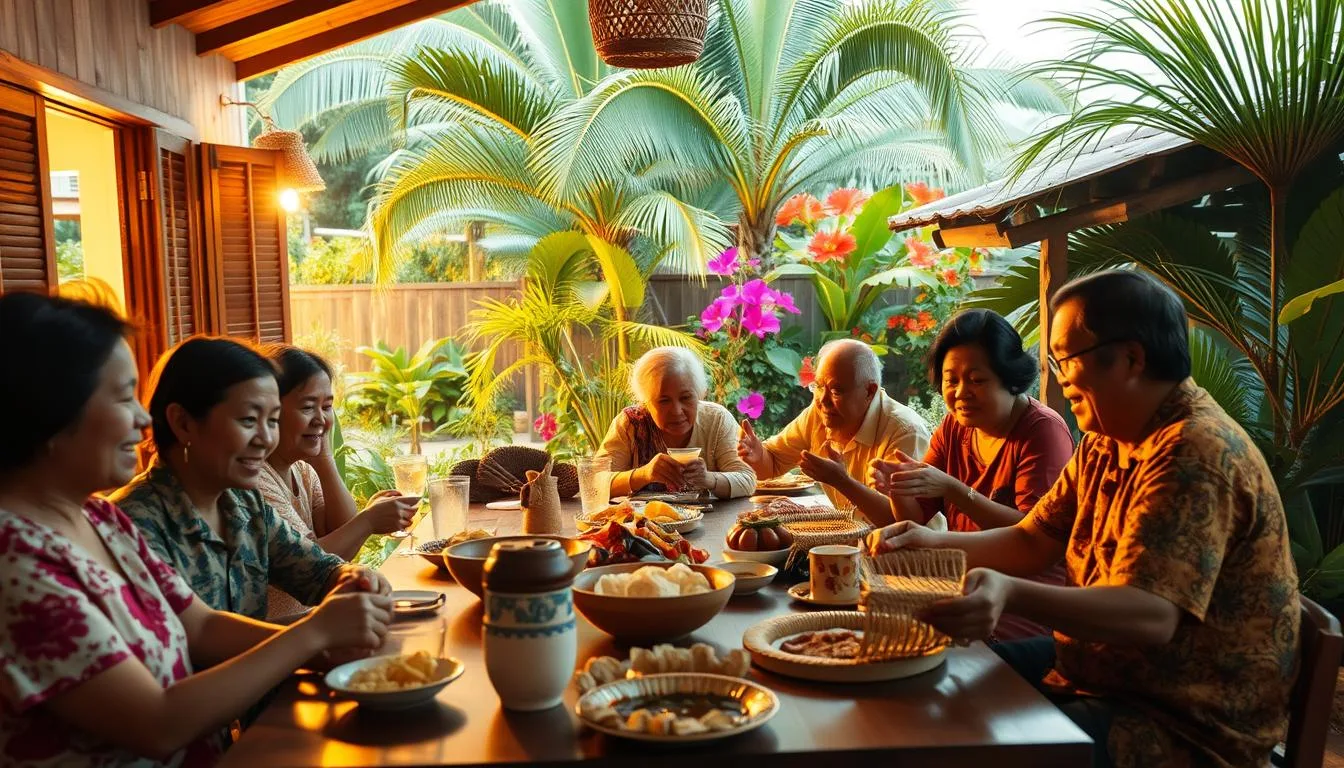
A Filipino household will often set an extra plate at the table without being asked, because an unexpected guest is treated as family the moment they arrive. That instinct is not random politeness. Filipino hospitality is built from specific, named values, kapwa, utang na loob and pakikisama, that Filipino psychologists have studied for decades. This guide breaks down what those values mean, where they came from, and how households keep them alive as family size shrinks and routines change.
At a Glance
| Aspect | Detail |
|---|---|
| Core concept | Kapwa, the shared identity that makes a guest feel like family |
| Key values | Utang na loob (debt of gratitude), pakikisama (getting along), hiya (sense of propriety) |
| Signature gesture | Mano po, touching an elder’s hand to the forehead for a blessing |
| Community practice | Bayanihan, neighbors helping without payment |
| Household pattern | Average household size fell to 3.8 people in 2024, per PSA |
| Common phrases | “Kain na” (let’s eat), “Tuloy po kayo” (please come in) |
| Where it shows up | Family meals, fiestas, homecomings, weddings, wakes |
What Filipino Hospitality Actually Means
This warm welcome is not a single custom. It is a cluster of values working together, and the concept that ties them is kapwa, developed by psychologist Virgilio Enriquez as part of Sikolohiyang Pilipino, or Filipino psychology. Kapwa treats “self” and “others” as a shared identity rather than separate categories, which is why a visitor can move from stranger to “one of us” in a single meal.
Key point
This hospitality is a cluster of values, kapwa, utang na loob and pakikisama, that together make a stranger feel like family rather than a single custom or gesture on its own.
Enriquez separated Filipino values into layers. Surface values like hiya (propriety), pakikisama (getting along) and utang na loob (debt of gratitude) sit above kapwa, the core value. Each surface value shows up in ordinary hospitality. Hiya keeps a host from serving too little food. Pakikisama pulls neighbors into a relative’s fiesta preparations. Utang na loob keeps the relationship going long after the visit ends.
The Family Values Behind the Welcome
Respect for elders anchors most of these values in daily practice. The mano gesture, where a younger person touches an elder’s hand lightly to their forehead, dates to before Spanish colonization and remains a serious social expectation. Skipping it when greeting a lola or lolo reads as rude, not just informal.
Verbal markers carry the same weight. Adding “po” or “opo” to a sentence when speaking to someone older is standard, and using a first name alone for an elder is considered disrespectful. Titles like “tita,” “tito,” “lola” and “lolo” get used even for family friends who are not blood relatives.
Note
Utang na loob is often flattened into “being polite.” Filipino psychology treats it as a moral obligation rooted in kapwa, not a transaction with a fixed price, according to the NCCA’s primer on Filipino values.
Anthropologist Mary Hollnsteiner’s foundational study on utang na loob described it as an expectation that every Filipino recognize favors received and repay them in a way that fits the relationship, since the debt cannot be reduced to a number. That framing still holds in current research: a 2025 study in the International Journal of Education and Humanities found the value strengthens social bonds, though participants also flagged that it can pressure the person on the receiving end.
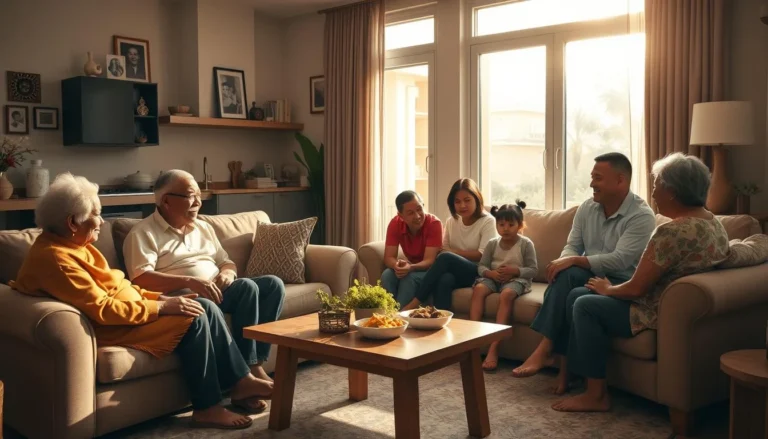
Elder care follows the same logic. Older relatives typically live with adult children rather than in care facilities, and looking after them is treated as an expected family duty rather than an optional kindness. That expectation connects directly to filial piety, the broader obligation children carry toward aging parents.
Bayanihan: Hospitality as a Community Value
Bayanihan extends this welcome past the household and into the neighborhood. The word traces to “bayan” (community) and “bayani” (hero), and it first appeared in print in a 1745 Tagalog dictionary. The image most people picture is neighbors sliding bamboo poles under a bahay kubo and carrying the whole house to a new spot together, no payment involved.
The same spirit now goes by other names. Filipino writing on the topic uses damayan for mutual aid during hardship and tulungan for cooperative reciprocity, covering everything from typhoon response to community pantries. Overseas Filipino workers carry the practice abroad too, forming mutual aid networks in the countries where they live and work.
| Value | Tagalog Meaning | How It Shows Up |
|---|---|---|
| Kapwa | Shared identity | Treating a guest as one of the family, not a stranger |
| Utang na loob | Debt of gratitude | Repaying a favor without being asked, staying loyal to those who helped |
| Pakikisama | Getting along | Joining a relative’s fiesta prep even on a busy week |
| Hiya | Sense of propriety | Avoiding acts that would embarrass the family |
| Bayanihan | Communal cooperation | Neighbors helping without pay after a typhoon or during a move |
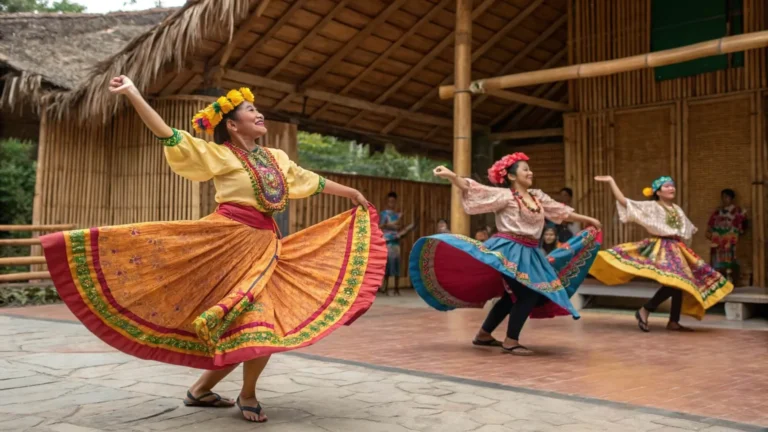
Fiestas are where bayanihan and hospitality overlap most visibly. Town celebrations in places like Quiapo, Angono and Obando blend Catholic feast days with older communal customs, and residents pool food, labor and money to pull off the event together. No single household could manage a fiesta of that scale alone.
Everyday Signs at Home
Some customs are small enough to miss if a visitor is not looking for them. Together they explain why guests describe Filipino homes as instantly welcoming rather than formally polite.
- “Kain na” (let’s eat) offered to anyone present at mealtime, guest or not
- “Tuloy po kayo” (please come in) said before a guest even steps past the doorway
- Kamayan meals eaten by hand, which turn dinner into a shared, informal event
- Pasalubong, small gifts brought home after any trip, even a short one
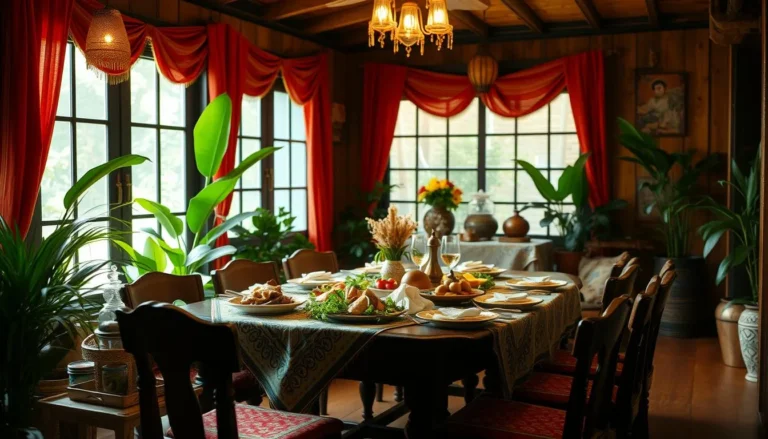
- An extra plate or chair kept ready in case someone drops by unannounced
These habits are consistent enough that Filipino visitors abroad and foreign guests in the Philippines both notice the pattern quickly. Nippon.com’s reporting on Filipino hospitality found that this warmth ties directly back to family structure, since a culture built around caring for relatives at home extends the same instinct to visitors.
Modern Families, Same Values
Filipino households are getting smaller. The Philippine Statistics Authority recorded an average of 3.8 people per household in 2024, down from 4.1 in 2020 and 4.6 in 2010. That decline reflects fewer children per family more than a retreat from close ties.
Relatives who live apart still find ways to stay involved. Video calls now sit alongside Sunday lunches, and pasalubong sometimes arrives through a delivery app instead of a suitcase. The values do not disappear when the household shrinks, they just travel through new channels. For a closer look at how these shifts play out across generations, see this breakdown of extended family dynamics in modern Filipino homes.
Hospitality outside the family circle is adapting too. Neighbors, coworkers and even strangers still get folded into the same customs described here. A separate guide to everyday hospitality customs covers how these habits show up outside the home, in workplaces, schools and public spaces.
Tip
Accept the mano po gesture if a child offers it, and eat what is served without excessive refusal. Turning down food outright can come across as rejecting the household’s welcome rather than simple modesty.
Frequently Asked Questions
What does mano po mean?
Mano po is a gesture of respect where a younger person takes an elder’s hand and touches it lightly to their own forehead, asking for a blessing. The elder usually responds with a short blessing in return. It works alongside verbal markers like po and opo to show respect inside the family.
Is bayanihan only about moving a house?
The image of neighbors carrying a bahay kubo on bamboo poles is the classic illustration, but the term now covers any unpaid collective help, from disaster response to community pantries. Filipino cultural writing also uses damayan and tulungan for these modern forms of the same value.
How is utang na loob different from doing someone a favor?
Utang na loob is described by Filipino psychologists as an ongoing sense of obligation rather than a one-time transaction. Anthropologist Mary Hollnsteiner’s early study on the concept found that Filipinos are expected to recognize favors received and repay them in a way that fits the relationship, not a fixed amount.
Do Filipino families still keep close ties as households get smaller?
Yes. Average household size fell to 3.8 people in 2024, but that mostly reflects fewer children per family rather than fewer generations staying close. Relatives who live elsewhere still take part through regular visits, calls and shared duties during fiestas.
What is kapwa in Filipino psychology?
Kapwa is a concept developed by psychologist Virgilio Enriquez that treats self and others as a shared identity rather than separate categories. It sits beneath surface values like pakikisama and utang na loob, and it explains why guests are folded into the family circle so quickly.
Filipino hospitality holds up because it never depended on household size in the first place. It runs on kapwa, utang na loob and bayanihan, values that travel through a video call or a fiesta line just as easily as they once did through a shared roof. Our Philippine traditions hub covers more of the customs, festivals and family practices that keep this culture recognizable across generations.