Filipino Fiesta Food: The Fiesta Table
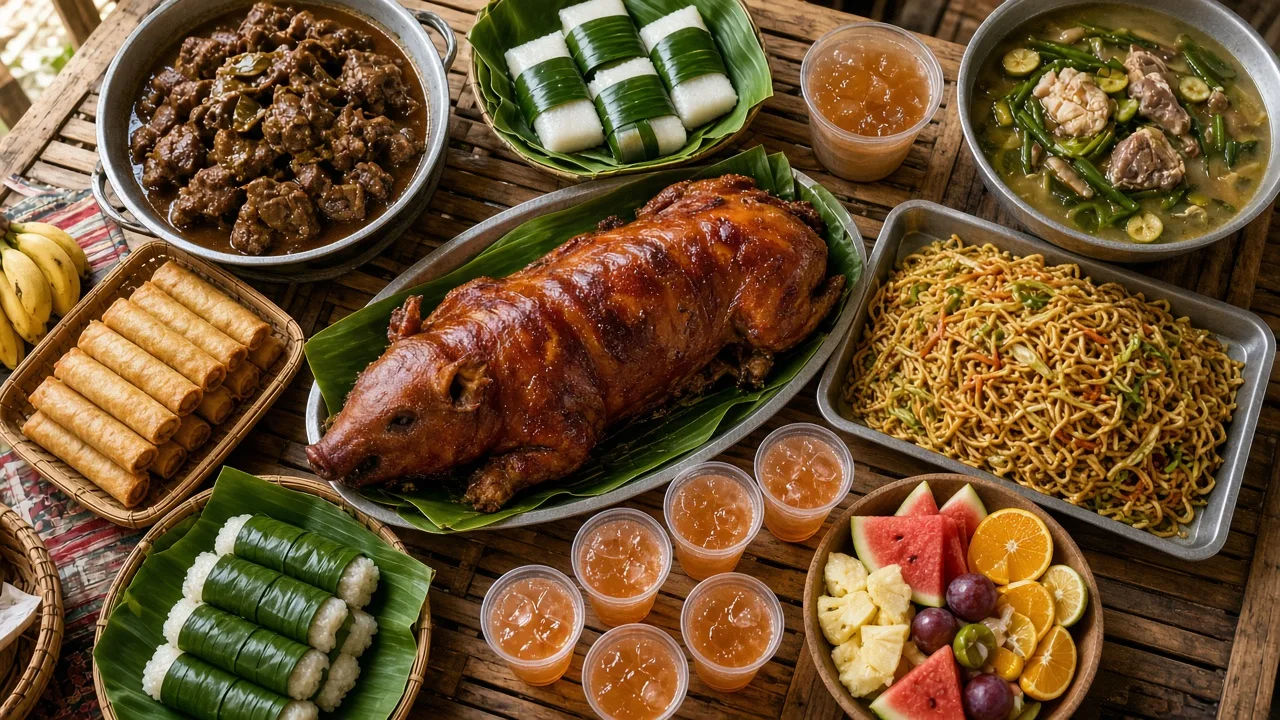
Walk into a Philippine town on fiesta week and you will smell the meal before you see the banners. Smoke from a whole roast pig. Vinegar and garlic from a pot of adobo. Sweet rice cakes cooling on banana leaves. Food is not a side show at a fiesta. It is how families say thank you, welcome relatives home, and share what the land and sea give them.
There is no single national menu. As Festive Pinoy’s fiesta explainer notes, hospitality is common, but each household and region cooks what it knows. This guide describes the pattern of the fiesta table, names dishes you will meet often, and points you to regional festival food without inventing a fixed recipe for every town.
What “fiesta food” means
Everyday Filipino meals can be simple: rice, a vegetable dish, a little fish or meat. Fiesta cooking aims higher. Families cook more dishes, richer stews, and sweets that take time. Relatives return from other cities. Neighbours drop by. The table becomes a public face of thanksgiving, even when the meal itself stays private.
A patronal fiesta often centres on Mass, a novena, or a procession. The civic side may add trade fairs, street food, and tasting stalls. Both can feed people, but they are not the same invitation. A decorated house is still a home. An open gate does not mean anyone may enter. Ask, wait to be invited, and treat leftovers or take-home packs as a gift, not a right.
Try this: If you are a visitor, start with one clear invitation. Accept a plate when a host offers it. Say thank you. Ask about ingredients if you have allergies. Buy from labelled stalls at a public food fair when you want a second serving.
The classic fiesta table at a glance
These dishes appear again and again at town celebrations and family reunions. Exact recipes change by province and by cook.
| Dish or group | Why it shows up at fiestas | Where to learn more |
|---|---|---|
| Lechon (whole roast pig) | Centrepiece of abundance for many households and town events | Lechon guide |
| Pancit (noodle dishes) | Long noodles are widely linked with long life and shared plates | What is pancit? |
| Adobo | Vinegar-based stew that travels well and feeds a crowd | What is adobo? |
| Lumpia | Finger food for guests who come and go through the day | What is lumpia? |
| Kare-kare | Peanut stew often reserved for special gatherings | What is kare-kare? |
| Kakanin (rice sweets) | Sticky rice cakes and coconut desserts for dessert tables | Local market and festival stalls |
Lechon: the centrepiece many tables still choose
Ask many Filipinos what belongs on a big celebration table and lechon comes first. A whole pig is spit-roasted until the skin crackles. Inside, cooks often stuff lemongrass, garlic, and other aromatics. Festive Pinoy’s lechon guide describes how the dish marks abundance and shared work: preparing and turning the spit is rarely a one-person job.
Regional styles differ. Cebu lechon is often praised for herb stuffing and very crisp skin. Luzon tables may serve lechon with a liver-based sauce. Some Mindanao cooks lean on slower roasting and local spice blends. None of these styles is “more Filipino” than the others. They are local answers to the same celebration meal.
Balayan, Batangas even stages a dedicated Lechon Festival (Parada ng Lechon) in June, where decorated roast pigs become part of the public parade. That is a special case. Most towns serve lechon at home or from a hired lechonero without building a whole festival around it.
Noodles, stews, and party plates that travel well
Pancit shows up because it is easy to portion and share. Bihon, canton, palabok, and sotanghon each bring a different texture. Hosts often set a large tray so guests can scoop what they like. Adobo (chicken, pork, or both) keeps well in warm weather better than many cream sauces, which is practical when food sits out during afternoon visits.
Lumpia, whether fresh or fried, works as a starter while guests wait for the main carving of the lechon. Kare-kare, with its peanut sauce and vegetables, feels richer and slower. Sinigang’s sour broth may appear when hosts want something lighter beside the roast meat. Sisig and inasal show how grilled and sizzling dishes also enter celebration menus, especially in Visayas and Central Luzon food culture covered on Festive Pinoy’s inasal and sisig pages.
Sweets, snacks, and the second table
After the savoury dishes come kakanin: bibingka, puto, kutsinta, suman, biko, and sapin-sapin, among many others. Coconut milk, sticky rice, and sugar dominate. Fruit platters may feature mango, banana, or, in Mindanao seasons, durian and other local harvest fruits. Soft drinks, juice, and beer often sit nearby. Coffee or hot chocolate may appear later in the evening.
Street vendors near churches and plazas add another layer: grilled skewers, fried snacks, halo-halo, and bottled water. Those stalls are businesses. Pay the posted price. Keep change ready. Do not assume a free taste unless the vendor offers one.
How regions colour the fiesta table
Geography shapes the plate. Coastal Capiz leans hard into seafood. During Capiztahan in Roxas City each April, the Surambaw feast puts oysters, crabs, prawns, and other catch at the centre, matching Capiz’s reputation as the “Seafood Capital of the Philippines,” a title repeated in provincial festival coverage.
Iloilo’s January Dinagyang season sits in a city recognised by UNESCO as a Creative City of Gastronomy. Festival food stalls commonly feature La Paz batchoy, pancit Molo, kansi, chicken inasal, and fresh seafood. That is Ilonggo everyday pride dressed up for visitors, not a ritual plate required by the Santo Niño devotion.
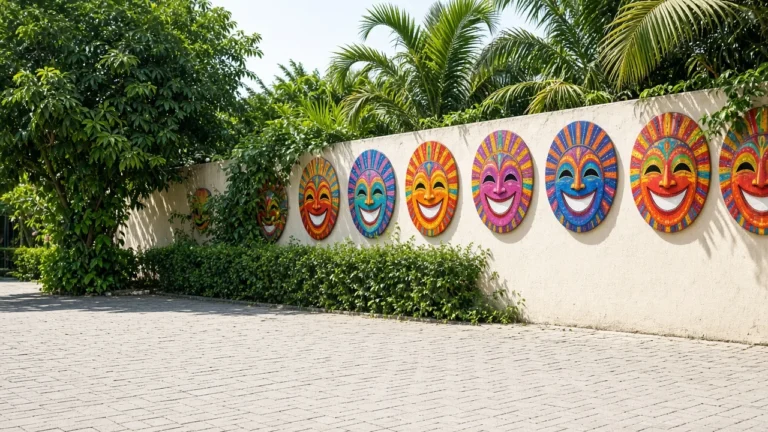
In Bacolod, October’s MassKara Festival pairs masked dancing with Negros cooking: chicken inasal, seafood, and sugar-region sweets. In Davao, August’s Kadayawan thanksgiving highlights fruit and harvest abundance, with durian, grilled tuna, and kinilaw often mentioned in local food writing around the festival. In General Santos, the September Tuna Festival literally puts the city’s tuna industry on the street through grilling events such as Sugbahan sa Dalan, according to Philippine Information Agency coverage cited in Festive Pinoy’s guide.
Bukidnon’s Kaamulan season brings highland flavours such as binaki (steamed corn cakes) and other corn or cassava snacks into public fairs. These are regional examples, not a checklist every Mindanao table must follow.
What to expect at home vs at a public fair
- Family table: Hosts may serve in waves. Elders and guests of honour often eat first. Take modest portions at first so you can try more dishes later.
- Parish or barangay hall: Shared trays and buffet lines are common. Follow the queue. Leave space for people behind you.
- Festival food street: Pay per plate or per stick. Ask about spice level and allergens. Shared grills may touch shellfish, pork, and chicken.
- Industry festivals: Events like Capiztahan’s Surambaw or GenSan’s tuna grills celebrate a local product. Taste, then buy from named vendors when you want more.
What to expect: Fiesta food is generous, but it is not an all-you-can-eat tourist buffet by default. Some servings are free to invited guests. Some are sold. Some are offered only inside a private home. When unsure, watch what locals do and ask one polite question.
Etiquette that keeps the meal warm
- Do not enter a house, kitchen, or backyard grill area without a clear invitation.
- Ask before photographing people, plates, or religious images near the food.
- Wash or sanitise hands before serving yourself from a shared tray.
- If you cannot eat pork, shellfish, or peanuts, say so early. Many fiesta spreads include all three.
- Compliment the cook. In many homes, that matters more than finishing every last bite.
- Offer to help clear plates only if the host seems open to it. Some families prefer guests to stay seated.
Planning food into a festival trip
Match the meal to the festival’s purpose. A religious procession day may leave little time for a long lunch. A civic food fair may be the main reason to go. Use the Philippine festival calendar to see which month fits your travel, then open the named festival guide for local dishes mentioned that year.
Book stays near the plaza if you want easy walks between Mass, parade, and evening stalls. Carry small bills. Confirm whether a tasting event is free, ticketed, or pay-per-plate on the organiser’s current notice. Do not copy last year’s menu board as this year’s promise.
A short tasting path for first-time visitors
- Try a small plate of pancit or lumpia while you settle in.
- Taste lechon if it is offered, focusing on both skin and meat.
- Add one regional special (Ilonggo batchoy, Capiz oysters, Davao fruit, GenSan tuna) instead of chasing every stall.
- Finish with a kakanin or halo-halo so the meal ends on a local sweet.
- Drink water between rich courses. Heat and heavy food add up quickly.
Sources and related reading
This article draws on Festive Pinoy’s fiesta etiquette page, dish guides (lechon, pancit, adobo, lumpia, kare-kare, inasal, sisig), and festival food notes from Capiztahan, Dinagyang, MassKara, Kadayawan, Tuna Festival, and Kaamulan coverage. For town-fiesta meaning and hospitality limits, start with What are fiestas?. For island-wide planning, see upcoming regional hubs for Visayas and Mindanao festivals once published, and the existing Festivals in Bicol hub for how regional food and devotion often travel together.
Is fiesta food free?
Sometimes for invited guests at a home or barangay meal. Public stalls and many festival tasting events charge. Confirm before you take a plate.
What should a visitor try first?
Lechon if available, one noodle or stew dish, and one local special of the province you are visiting. That mix shows both national patterns and regional pride.
Do all towns serve the same dishes?
No. Rice, a celebration meat, noodles, and sweets are common patterns. The exact recipes follow local produce, faith calendars, and family tradition.