Hamaka Festival: Complete Guide to Rizal’s Vibrant Hamaka Festival

Hamaka Festival

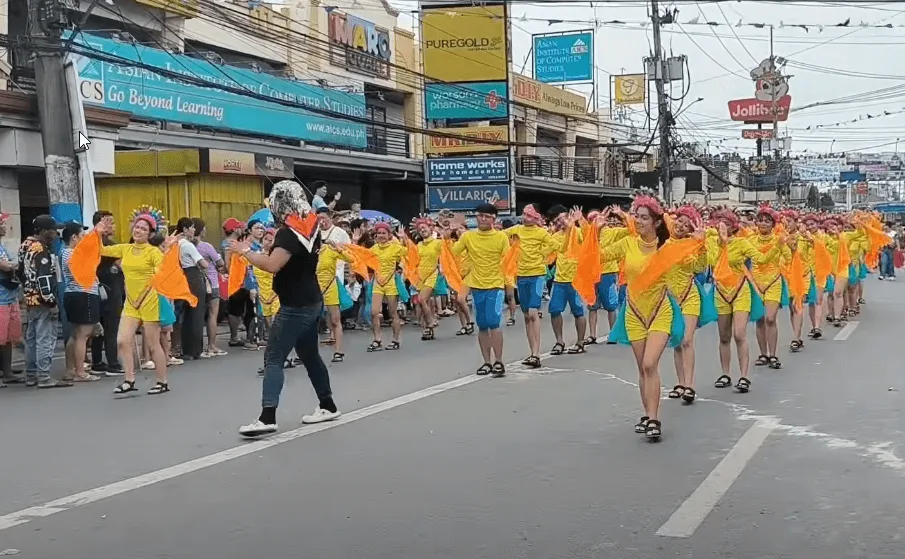
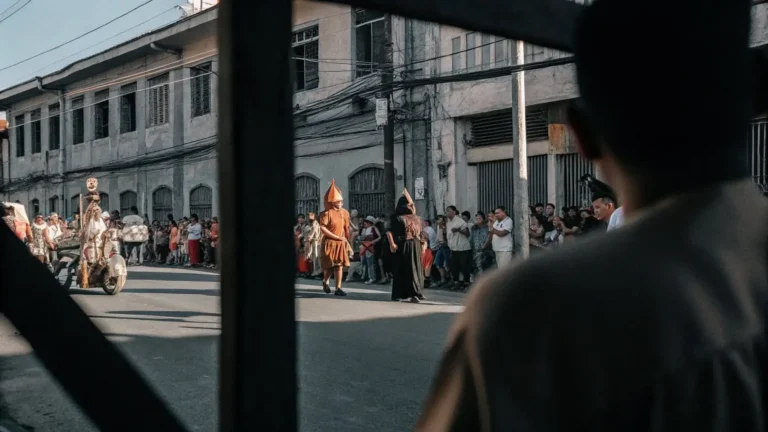
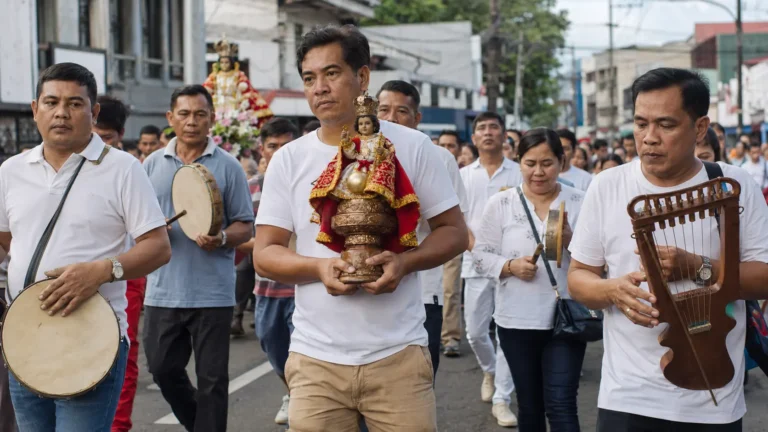
Taytay, Rizal holds its Grand Civic Parade every third Sunday of February, the peak of a week-long celebration that turns the town into an open-air showcase of garments and woodwork. In 2026 the parade fell on February 14, part of a tradition local councils have documented since 1945. The Hamaka Festival is Taytay’s answer to a simple question: how does a farming town become the Philippines’ Garments and Woodworks Capital?

The festival grew out of Araw ng Pasasalamat, a post-World War II thanksgiving day, and it still carries that gratitude at its core. What changed over 80 years is the scale: a single day of thanks became a seven-day festival with parades, craft fairs, pageants and food competitions.

At a Glance: Hamaka Festival

What to knowDetails
LocationTaytay, Rizal, Philippines
TimingEvery third week of February; Grand Civic Parade on the third Sunday
2026 parade dateFebruary 14, 2026
OccasionAraw ng Pasasalamat (Day of Thanksgiving) and local trade heritage
OriginPost-WWII thanksgiving tradition, renamed Hamaka in 1975
Known forGarments, woodworking, the Great Taytay Tiangge market
Signature eventsGrand Civic Parade, Mr. and Ms. Hamaka pageant, craft exhibits

Key point

Sources disagree on small details of Hamaka’s history, but they agree on the schedule: the festival runs every third week of February, built around Araw ng Pasasalamat, a thanksgiving tradition local councils have recognized since at least 1945.

Where the Name Hamaka Comes From

Hamaka works as a double meaning, and that is not an accident. As an acronym, it combines hamba (door jamb, representing woodworking), makina (sewing machine, representing garment manufacturing), and kasuotan or kabuhayan (clothing and livelihood). Together the three words point straight at Taytay’s two biggest industries.

Hamaka is also a genuine Tagalog word for a hammock woven from rattan, known elsewhere in the Philippines as a duyan. Local tradition holds that national hero Jose Rizal was carried through Taytay in a hamaka while accompanying his mother Teodora on the road to Antipolo. That story is oral tradition, not a documented historical record, but residents repeat it often enough that it has become part of how the town explains its own name.

Note

Some accounts describe Hamaka purely as an acronym for local trades; others lead with the hammock meaning and the Rizal legend. Both versions circulate locally, and this guide presents both rather than picking one as definitive.

From Harvest Thanksgiving to Trade Festival

Local council resolutions describe a Taytay tradition of celebrating the town fiesta every third week of February as far back as 1945, shortly after liberation from Japanese occupation. That early observance, Araw ng Pasasalamat, gave thanks for harvests and for surviving the war.

By 1975, Taytay’s garment and woodworking trades had grown large enough to reshape the celebration. Organizers renamed the event Hamaka to fold in that economic identity alongside the older thanksgiving theme.

Representative Michael John R. Duavit later authored House Bill No. 8508, which proposed making the third Monday of February a standing special non-working holiday in Taytay. The bill has not been signed into permanent law, so the town instead secures holiday status year by year through presidential proclamations:

  • Proclamation 1100, declaring a special non-working holiday in 2021
  • Proclamation No. 448, declaring a special non-working holiday in 2024

Each proclamation covers a single year only, which is why the exact holiday status can shift from one February to the next even though the festival itself runs on a fixed weekly schedule.

EraFocusWhat changed
1945-1974Post-war thanksgivingAnnual harvest and liberation observance
1975-2003Trade recognitionRenamed Hamaka to reflect garments and woodwork
2004-presentFormal civic festivalGrand Civic Parade, pageants and legislative recognition

What Happens During Festival Week

A full week of programming builds up to the Sunday parade. Expect overlapping events rather than one single spectacle.

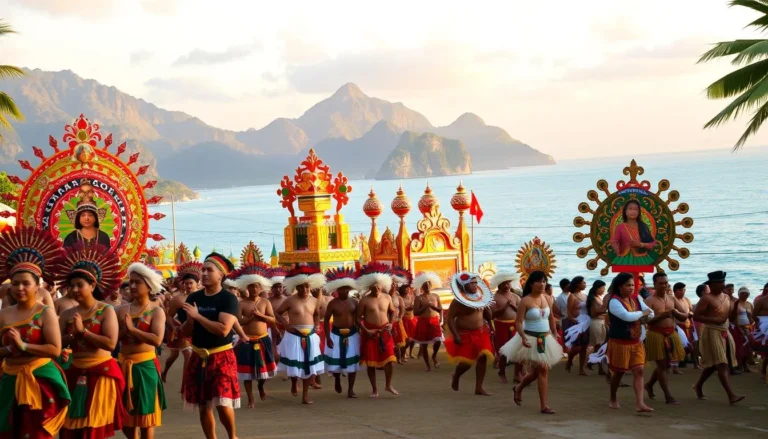
  • Grand Civic Parade with floats built from local textiles and carved wood
  • Mr. and Ms. Hamaka pageant featuring garments made by local designers
  • Great Taytay Tiangge, a market for handmade jewelry, clothing and furniture
  • Cooking competitions and food stalls across the town plaza
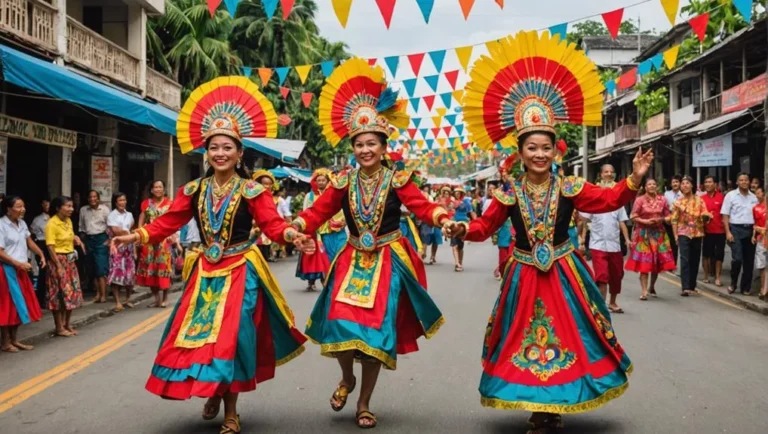
  • Street dance showcases, including folk numbers like Pandanggo sa Sambalilo

Tip

Arrive in Taytay by mid-morning on parade day. Street closures around the main route start early, and the Great Taytay Tiangge stalls sell out of the most popular handmade pieces by early afternoon.

The Industries Behind the Festival

Taytay’s garment factories and furniture workshops became economic lifelines after the war, and by the 1970s a large share of households depended on one trade or the other. That density of skilled labor is why the town still markets itself as the Garments and Woodworks Capital of the Philippines.

The festival keeps that identity visible. Embroidery contests, woodcarving demonstrations and fabric displays run throughout the week, letting visitors watch techniques that normally happen inside workshops. Some of the fabric and barong tagalog work on display in Taytay’s shops traces directly back to skills sharpened for Hamaka’s garment showcases.

How Hamaka Compares to Other Trade Festivals

Several Philippine towns build festivals around a local industry rather than a saint’s feast day. Taytay’s version stands out for combining two trades in one celebration instead of one.

FestivalTownIndustry celebrated
HamakaTaytay, RizalGarments and woodworking
Sarok FestivalConsolacion, CebuHat weaving
Singkaban FestivalMalolos, BulacanBamboo craft and heritage

Trade festivals like Hamaka tend to draw a different crowd than religious fiestas. Visitors come as much for the shopping and craft demonstrations as for the parade itself, and vendors treat the week as a major sales opportunity rather than a purely ceremonial event.

Economic Role of the Festival

Festival week is not just ceremonial. Local officials and business groups use the event to promote Taytay’s garment and furniture output to buyers from Metro Manila and abroad. Craft fairs during the week give small workshops a direct sales channel they do not have the rest of the year.

That economic function explains why the celebration survived its post-war origins largely intact. A thanksgiving day built around harvests could easily have faded as farming gave way to manufacturing. Instead, the 1975 renaming folded the town’s new economic identity into the older gratitude tradition.

Tip

Shop for furniture or garments directly from Taytay workshops during festival week. Many offer showcase pricing they do not repeat the rest of the year, and buying locally supports the same trades the festival celebrates.

Woodworking and garment output from Taytay reach markets well beyond Rizal province. Furniture shops along the town’s main roads supply retailers across Metro Manila, and several garment manufacturers based in Taytay export finished pieces overseas. Festival week doubles as an informal trade fair for both industries, drawing buyers who place orders for the months ahead.

Planning a Visit

Taytay sits close enough to Metro Manila for a day trip, and festival week is the busiest stretch of the local calendar. Public transport gets crowded near the parade route, so allow extra travel time.

  1. Check the municipal government’s Facebook page or website for the confirmed weekly schedule
  2. Book accommodations early if visiting from outside Rizal province, since Taytay itself has limited hotel stock
  3. Bring cash for the Tiangge market, since many small vendors do not accept cards
  4. Wear comfortable shoes for a full day of walking between parade routes and market stalls

Frequently Asked Questions

What does the word Hamaka mean?

Hamaka is an acronym built from hamba (door jamb, standing for woodworks), makina (sewing machine), and kasuotan or kabuhayan (garments and livelihood). It is also a real Tagalog word for a rattan-woven hammock, which gives the festival a double meaning.

When is the Hamaka Festival held?

Taytay celebrates Araw ng Pasasalamat and the Hamaka Festival every third week of February, with the Grand Civic Parade usually falling on the third Sunday. In 2026 the parade was held on February 14.

Why is Taytay called the Garments Capital of the Philippines?

Taytay grew its garment and woodworking trades after World War II, and by the 1970s these industries employed a large share of local households. The town is widely marketed today as the Garments and Woodworks Capital of the Philippines.

Is the Hamaka Festival connected to Jose Rizal?

Local tradition holds that Jose Rizal was carried through Taytay in a hamaka, or woven hammock, while accompanying his mother Teodora on the road to Antipolo. The story is oral tradition rather than documented history, but it is widely repeated in local accounts of the name.

What can visitors do during Hamaka Festival week?

Expect a week of parades, garment and woodcraft exhibits, the Great Taytay Tiangge market, cooking competitions, street dancing, and the Mr. and Ms. Hamaka pageant, all centered on the town plaza and main roads.

Taytay is one of several Rizal towns worth pairing with a longer trip. Our Philippine festivals hub covers more town fiestas across the country, including Cebu’s Sarok Festival, if you want to compare how different provinces turn local trades into a week of celebration.

Similar Posts