Dinamulag Festival: Zambales Dinamulag Festival: History & Celebrations
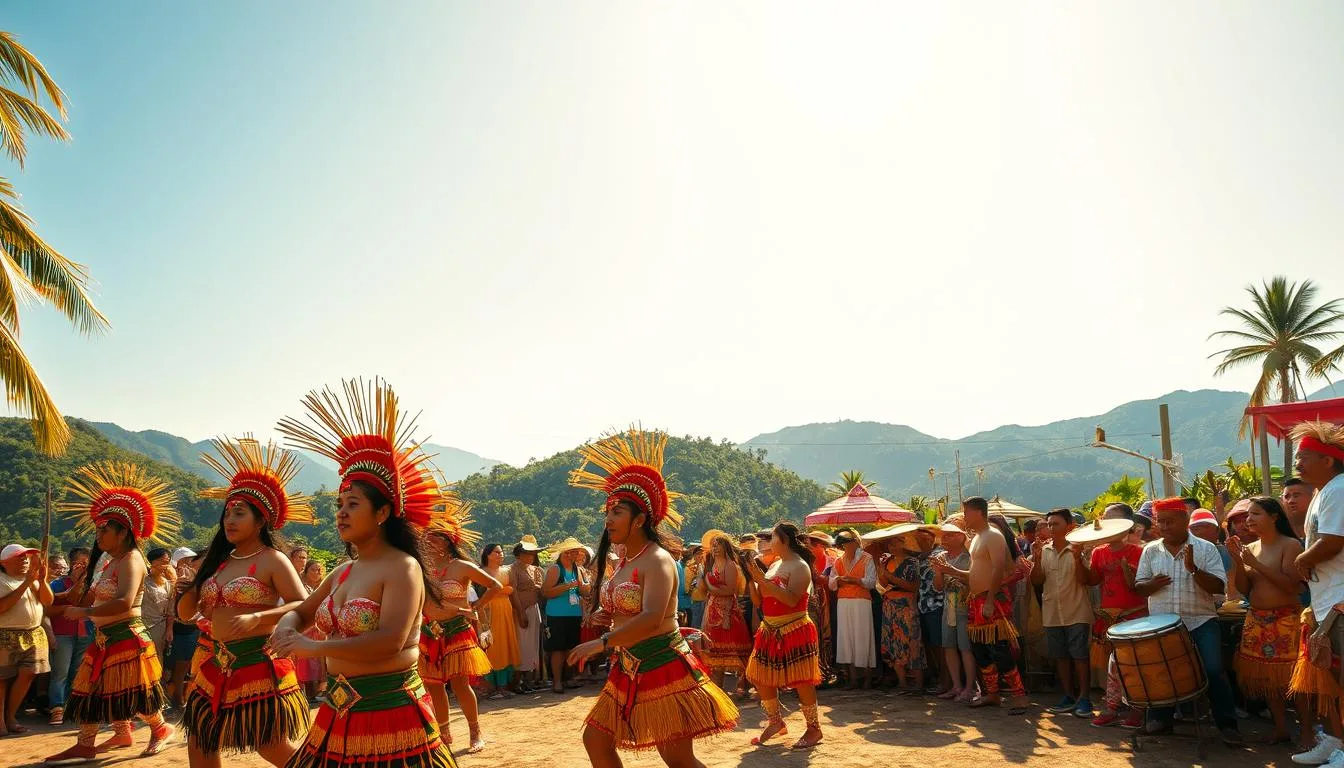
Every April, Iba, the capital of Zambales, fills with street dancers, trade fair stalls and the smell of ripe mango. The 2026 celebration ran from April 10 to 12, a shorter program than in past years after the provincial government dropped several motorized events. The event exists for one fruit: the carabao mango, the variety locals call dinamulag, which Guinness World Records once ranked as the sweetest mango on Earth.
Farmers in San Felipe, Zambales started the tradition in 1999 as a thank you for a good harvest. It has since grown into the province’s largest annual gathering, drawing visitors from Central Luzon and Metro Manila who come for the street dancing, the beauty pageant and the chance to eat mangoes straight from the source.
At a Glance
| Detail | Information |
|---|---|
| Main host | Iba, Zambales (provincial capital) |
| 2026 dates | April 10 to 12 |
| Typical timing | Early to mid April, peak mango harvest |
| Founded | 1999, by farmers in San Felipe |
| Organizers | Zambales Mango Producers Federation and the Provincial Government of Zambales |
| Signature events | Street dancing competition, Binibining Zambales pageant, mango trade fair |
| Star ingredient | Carabao mango (dinamulag or kinalabaw variety) |
| Getting there | Bus from Manila to Iba via Olongapo, roughly 4 to 5 hours |
Key point
The word dinamulag comes from Sambali, the language of Zambales, and refers to the carabao. Locals gave the mango that nickname because its curved shape resembles a carabao’s horn.
What the Name Means and How It Began
The event takes its name from the fruit at its center. Sambali speakers call the carabao mango dinamulag, a nod to the animal whose horns the fruit’s curve suggests. Outside Zambales, the same variety is often called kinalabaw, from kalabaw, the Tagalog word for carabao.
Small groups of farmers in San Felipe first gathered in 1999 to mark a strong mango season. The gesture caught on provincewide within a few years, and the Zambales Mango Producers Federation, known as ZAMPROFED, joined the provincial government to formalize it into an annual celebration. What began as a local thanksgiving now anchors the province’s tourism calendar.
By the mid 2000s, the gathering had expanded beyond a single town. Contingents from across the province’s 13 municipalities began competing in street dancing and trade fair categories, turning a harvest tradition into a shared provincial identity built around one fruit.
Where and When the 2026 Edition Happened
Iba, the provincial capital, hosts the bulk of the programming at the town’s People’s Park. The main street dancing competition, the mango trade fair and the closing pageant night all run there, even though contingents travel in from towns such as Masinloc and San Felipe to compete.
The 2026 edition opened April 10 with a fun run and closed April 12, a tighter schedule than the four day format used in earlier years. Readers unfamiliar with the province’s layout can check where Zambales sits on the map before planning a trip around the dates.
Note
Dates shift slightly each year depending on the harvest calendar and the provincial government’s event schedule. Confirm the current year’s program through the Provincial Tourism and Investment Promotion Office rather than relying on last year’s dates.
What Changed in the 2026 Program
Governor Hermogenes E. Ebdane Jr. and the organizing committee cut several activities in 2026 to comply with a presidential directive on energy conservation. The province scrapped five fuel intensive activities that had become fixtures of the celebration in prior years.
- Motocross Challenge and 4×4 Offroad Challenge
- Car, Motor and Trike Show
- Zamba-Liwanag Float Parade and Competition
- Post-parade fireworks display
Organizers replaced the cut events with lower-energy alternatives built around the mango theme. A mango cooking challenge, a mango eating contest, a drum and lyre competition and a float design contest without motorized floats filled the gap. Maria Domitela Mora, head of the Provincial Tourism and Investment Promotion Office, led the committee that revised the lineup.
The Mango Behind the Celebration
Every activity circles back to the carabao mango, and Zambales has built its reputation on one strain in particular. The Sweet Elena variety, grown in the province’s volcanic soil, earned recognition from the Bureau of Plant Industry as the country’s sweetest and largest mango for three straight years after its 2002 release.
The sweetness claim goes back further. In 1995, Guinness World Records listed the Philippine carabao mango as the sweetest mango variety in the world, with Zambales cited as a leading source of the fruit. Sugar content measurements have varied by source and harvest, ranging from around 19 percent in earlier tests to about 23 percent in more recent provincial reporting.
That title has not gone unchallenged. A 2016 report measured Guimaras province’s Super Galila mango at a higher sugar concentration than Zambales’ Sweet Elena, reopening a debate that neither province has fully settled.
| Claim | Region | Recognition | Reported sugar content |
|---|---|---|---|
| Carabao mango, Sweet Elena strain | Zambales | Guinness World Records, 1995 | 19 to 23 percent |
| Super Galila mango | Guimaras | Independent testing, 2016 | Roughly 22 percent |
Tip
If sweetness matters more to you than the title, ask vendors at the trade fair for mangoes harvested that same week. Flavor peaks a few days after picking and drops quickly once fruit sits in storage.
Signature Events Worth Planning Around
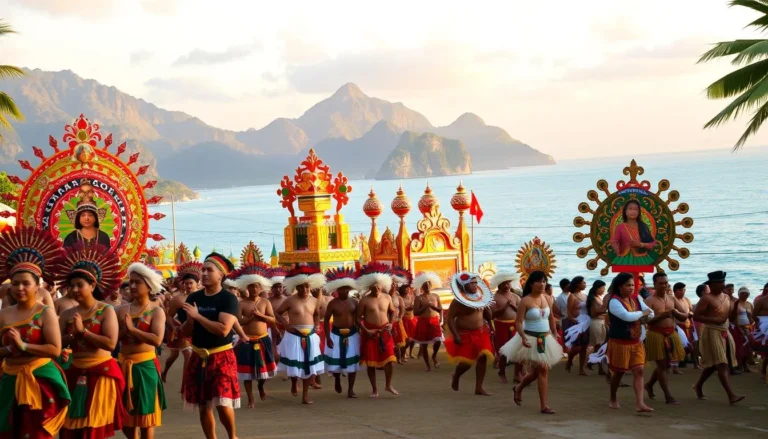
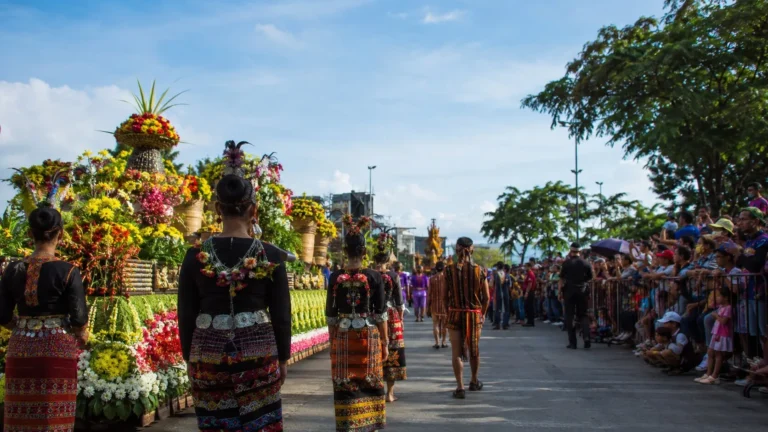
Street dancing remains the biggest draw. Teams from towns including Masinloc and San Felipe rehearse for months, building routines around farming rituals and mango motifs. Masinloc’s contingent has historically dominated the competition, while San Felipe has taken the top prize in more recent years.
Beyond the street dance finals, a handful of events anchor most editions of the celebration:
- Binibining Zambales, a pageant where candidates from towns across the province compete and often campaign on agricultural or environmental causes
- The mango trade fair, where growers and small businesses sell fresh fruit, dried mango, mango vinegar and other processed goods
- Mango-themed contests such as the biggest fruit, sweetest fruit and most productive tree categories
- Family activities including talent competitions, a mountain bike race and, in 2026, an airsoft competition
Growing the Industry Behind the Fruit
The gathering celebrates a mango industry that has struggled to modernize. Provincial data cited in 2026 put average yields at roughly 2.3 tons per hectare, well below what better-managed orchards elsewhere in the Philippines produce.
To close that gap, the province launched the Green Mango Valley program, a 50 million peso initiative running from 2025 through 2028. The project targets rehabilitation of more than 20,800 mango trees and aims to push yields toward 12 tons per hectare through better pruning, pest control and farm management training.
Governor Ebdane has tied the Dinamulag Festival directly to that push, framing the annual event as both a thank you to farmers and a platform to recruit them into the modernization program.
Practical Tips for Visiting
Iba sits roughly four to five hours from Manila by bus, usually routed through Olongapo. Coming from Central Luzon shortens the trip considerably, and many visitors combine the trip with a stop at Zambales’ beaches.
A few basics make the visit easier to plan:
- Street events are free to watch, though reserved seating for the pageant coronation may require a ticket
- Rooms in Iba and nearby Subic fill quickly during the peak week, so book ahead
- The freshest mangoes and local snacks sell fastest in the first two days of the trade fair
Tip
Pack light, breathable clothing. April is one of the hottest months in Zambales, and most of the program happens outdoors under direct sun.
The Dinamulag Festival sits alongside dozens of other harvest and thanksgiving celebrations around the country, including the Kanlahi Festival and the Salakayan Festival, both built on similar gratitude for a good season. Our guide to festivals across the Philippines covers how this celebration compares to other regional harvest events if you are planning a longer trip.
The province keeps building on a tradition that started as a small thank you between farmers. Whether that continues to grow or settles into a smaller, greener format, the mango stays the reason people show up. Explore our full calendar of Philippine festivals to plan a trip around Zambales’ harvest season or another town’s celebration.
Frequently Asked Questions
Is the carabao mango really the world’s sweetest?
Guinness World Records named the Philippine carabao mango the sweetest in the world in 1995, and Zambales’ Sweet Elena strain has taken national sweetness titles since. A 2016 report ranked Guimaras’ Super Galila mango higher on sugar content, so the claim is disputed rather than settled.
Do visitors pay to watch the festival?
Street dancing, trade fairs and the food stalls around Iba’s People’s Park are free public events. Reserved seating for evening shows or the Binibining Zambales coronation may carry a fee depending on the venue that year.
Which towns besides Iba take part?
Contingents from municipalities such as Masinloc and San Felipe compete in the street dancing and other categories, even though Iba hosts the main program as the provincial capital. Pre-event auditions and satellite activities also run in towns like San Felipe.
What is the Green Mango Valley project?
Green Mango Valley is a provincial government initiative running from 2025 to 2028 that rehabilitates more than 20,800 mango trees and pushes farmers toward modern techniques, aiming to raise yields from about 2.3 tons per hectare toward 12 tons.
Can I buy Zambales mangoes if I miss it?
Yes. Carabao mangoes from Zambales reach Metro Manila markets and select exporters during the peak harvest window from March through May, though the widest variety of local snacks and preserves is easiest to find at the event itself.