Panagdadapun Festival Quirino: Essential Guide
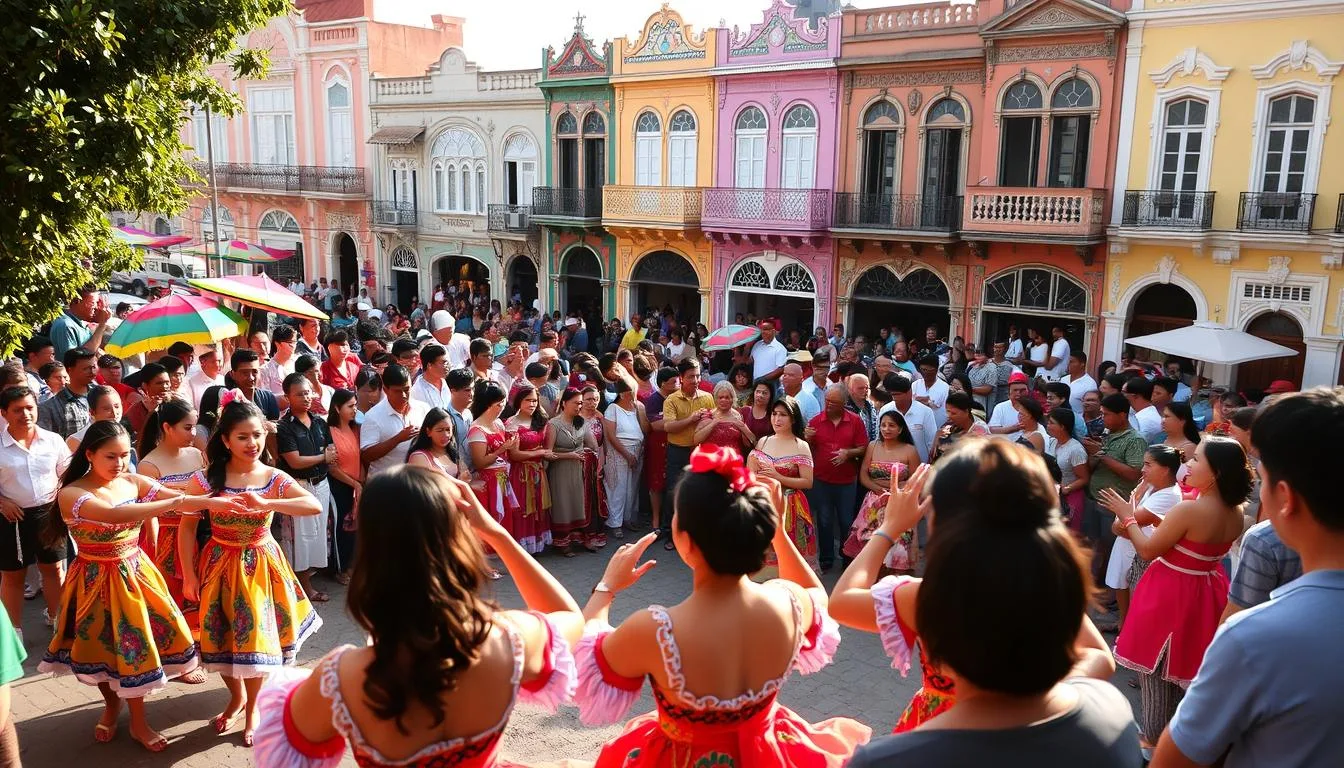
Cabarroguis fills with street dancers, parade floats and six municipal delegations every September 6 to 10 for the Panagdadapun Festival Quirino, the province’s founding-anniversary celebration. The festival has run every year since 1999, pausing only during the pandemic.
The five days lead up to September 10, the date Quirino became an independent province in 1971. That timing turns the festival into two events at once: a cultural showcase and Araw ng Quirino, the province’s official founding day.
At a Glance
| Detail | Information |
|---|---|
| Location | Cabarroguis, Quirino Province, Cagayan Valley |
| Dates | September 6 to 10, annually |
| Occasion | Quirino’s founding anniversary and indigenous heritage |
| Name meaning | Ilocano for “gathering” or “convergence” |
| First held | 1999 |
| Key events | Street dancing competition, grand parade, Binibining Quirino pageant, agro-industrial fair |
| Best day to arrive | September 10, for the grand parade and street dancing finale |
| How to get there | Bus or van to Cabarroguis via Santiago City, Isabela, or a flight to Cauayan Airport |
Key point
Panagdadapun started in 1999. The five-day event always closes on September 10, the exact date Quirino separated from Nueva Vizcaya in 1971.
What “Panagdadapun” Means and Where It Happens
The provincial government defines Panagdadapun as an Ilocano word for gathering or convergence, a name chosen because the festival draws together six municipalities that otherwise run their own separate town fiestas. Cabarroguis, the provincial capital, hosts the main events, but the celebration belongs to the whole province. The festival marked its 25th edition in 2024, 25 years after the first Panagdadapun in 1999.
Each of Quirino’s six towns keeps a local festival name that appears inside the wider Panagdadapun program. Knowing these names helps explain why locals sometimes describe the same week with different terms.
| Town | Local Festival Name | Notable Local Site |
|---|---|---|
| Cabarroguis | Ginnamuluan | Provincial Capitol complex, festival host |
| Aglipay | Panagsalukag | Aglipay Caves |
| Diffun | Pammadayaw | Ganano Falls |
| Maddela | Panagsasalog | Governor’s Rapids |
| Nagtipunan | Penenkakasisit | Siitan Nature Park |
| Saguday | Pagay-Pagay | Known for its rice harvest dance |
Panagdadapun is one of dozens of town and provincial founding celebrations held across Luzon each year. Our guide to festivals across the Philippines covers how these founding-day events differ from religious fiestas and harvest festivals elsewhere in the country.
A Province Carved From Nueva Vizcaya
Quirino did not exist as a separate province until the 1970s. Before that, the area was part of Nueva Vizcaya, and its path to independence took several legislative steps.
- 1966: The area became a sub-province of Nueva Vizcaya under Republic Act No. 4734.
- 1969: Cabarroguis was established as a municipality under Republic Act No. 5554.
- 1971: Quirino gained full independence from Nueva Vizcaya on September 10, under Republic Act No. 6394.
- 1999: The provincial government held the first Panagdadapun Festival to mark that founding date every year going forward.
The province was named after Elpidio Quirino, the sixth president of the Philippines. Governor Dakila Carlo Cua has framed the anniversary as a marker of the province’s economic and governance progress since separation, not only a cultural event.
Note
Some older listings place the festival in June. That is incorrect. Provincial government sources and recent news coverage confirm a fixed September 6 to 10 schedule tied to the September 10 founding date.
Six Communities, One Celebration
Quirino’s population includes five recognized indigenous groups alongside Ilocano settlers who arrived from the north over the past century. The festival exists partly to keep each group’s traditions visible in a province where lowland Ilocano culture now dominates daily life.
- Bugkalot (also called Ilongot), known historically for a distinct highland culture in the Sierra Madre foothills
- Dumagat, an Agta community with roots in the province’s forested interior
- Gaddang, whose weaving and rice-farming traditions appear in the festival’s craft exhibits
- Ifugao, whose migration into Quirino brought rice-terracing knowledge from the Cordillera
- Isinay, one of the smaller indigenous groups represented at the Provincial Museum in Cabarroguis
Street dancing routines during the festival draw movements and costumes from these communities, and the Provincial Museum keeps a permanent collection tied to each group. That mix of preserved artifacts and live performance is part of a broader pattern in Filipino family values, where community identity gets passed down through shared events rather than only through the home.
What Happens During Panagdadapun Festival
The festival packs cultural programming, sports and a provincial trade fair into five days. Recent editions, including the 2025 celebration marking Quirino’s 54th founding anniversary, followed a similar pattern each year.
Core events typically include:
- Floral opening ceremony and ecumenical thanksgiving service
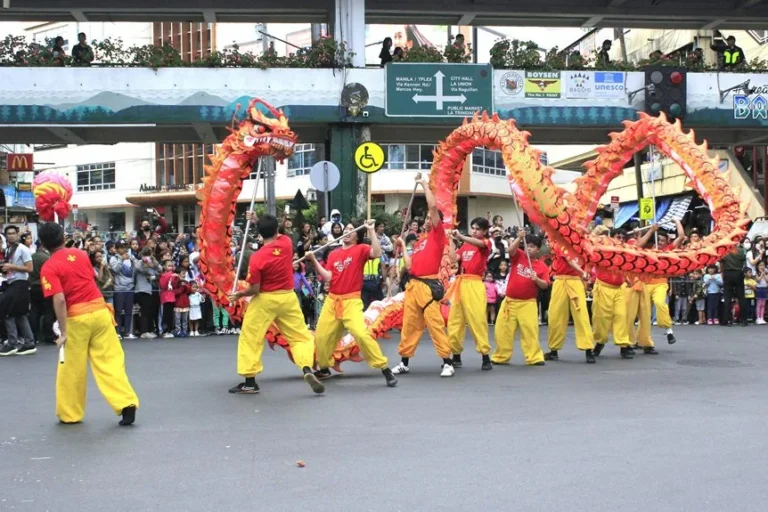
- Panagdadapun Street Dancing Competition, with all six towns performing
- Grand parade on September 10, the festival’s main event
- Binibining Quirino beauty pageant
- Rigodon de Honor, a formal ceremonial dance
- One Town One Product agro-industrial trade fair
- Sports tournaments, including cycling and arnis
Modern additions have grown alongside the traditional program. Quirino Motorismo, a motorcycle sports tourism event built around an endurance ride through northern Luzon, now runs alongside the festival and promotes road safety as much as adventure tourism. The Quirino Watersports Complex in Cabarroguis hosts wakeboarding sessions on a purpose-built cable park, drawing visitors who might otherwise skip the cultural program entirely.
Tip
Book transport to Cabarroguis at least two weeks before September 10. That date draws the grand parade and street dancing finale, and rooms fill up fast across the small provincial capital.
The pandemic interrupted this rhythm for two years. Panagdadapun moved to a virtual format in 2020 and 2021, then returned to in-person events in 2022 under the theme “Basket of Happiness,” which highlighted the province’s tourism sites alongside the cultural program.
Beyond the Festival: Where to Go in Quirino
Quirino sits inside the upper floodplain of the Cagayan River, and its six towns give travelers a reason to extend a trip past the festival dates. Most sites listed here sit within an hour’s drive of Cabarroguis.
- Ganano Falls (Diffun): A multi-tier waterfall reached by a short forest trail, popular for swimming once the crowds from the festival week thin out.
- Aglipay Caves (Aglipay): A limestone cave system inside the Aglipay Provincial Forest Park, open for guided spelunking tours.
- Governor’s Rapids (Maddela): A stretch of the Cagayan River known for whitewater rafting and birdwatching.
- Siitan Nature Park (Nagtipunan): Bamboo raft tours through limestone gorges, with a viewpoint overlooking the Sierra Madre range.
Local tourism offices in Cabarroguis can arrange guides for any of these sites, and most trips pair naturally with a festival visit since September falls in the province’s drier season.
Getting to Cabarroguis
Quirino is landlocked and reached mainly by road, with one regional airport shortening the trip from Manila. Travel times shift with weather and traffic, so treat the figures below as planning estimates rather than fixed schedules.
| From | Typical Route | Approximate Travel Time |
|---|---|---|
| Manila | Bus to Santiago City, Isabela, then van to Cabarroguis | 8 to 10 hours |
| Santiago City, Isabela | Direct van via the Maharlika Highway | 1 to 2 hours |
| Bayombong, Nueva Vizcaya | Bus or van via the Nueva Vizcaya-Quirino road | 1.5 to 3 hours |
| Cauayan Airport, Isabela | Flight from Manila, then van or taxi to Cabarroguis | About 3 hours total |
Roads into Quirino are mostly paved but wind through hilly terrain, so budget extra time during the rainy season and check conditions before traveling in September, which still falls within typhoon season in Luzon.
Planning Your Visit
Cabarroguis is a small provincial capital, so festival week accommodation is limited compared to larger tourist destinations. Booking early matters more here than in cities with a deeper hotel supply.
A few practical notes for first-time visitors:
- Bring cash. ATMs are limited outside Cabarroguis town center.
- Pack for both heat and rain, since September sits within typhoon season.
- Confirm exact festival dates with the provincial tourism office each year, since the five-day window can shift slightly around September 10.
Conclusion
Panagdadapun Festival Quirino works because it ties a modern provincial celebration to a specific historical date, rather than an invented theme. That gives the event a fixed anchor: six towns, five indigenous communities, and one shared date on September 10 that has not moved since 1971.
Visitors who plan around that date get a province that is easy to underestimate, small in population but layered in history, from Ilocano settlement to Ifugao migration to a provincial split that only happened within living memory. Our hub for Philippine festivals tracks similar founding-day and harvest celebrations across the country, useful if Panagdadapun sends you looking for what else September has to offer.
Frequently Asked Questions
What does Panagdadapun mean?
Panagdadapun is an Ilocano word meaning gathering or convergence. The provincial government uses it to describe the coming together of Quirino’s six towns and indigenous communities for one shared celebration.
When is the Panagdadapun Festival held each year?
The festival runs every September 6 to 10 in Cabarroguis, Quirino’s provincial capital. The dates are fixed because they lead up to September 10, the day Quirino became an independent province in 1971.
What is the difference between Panagdadapun Festival and Araw ng Quirino?
Araw ng Quirino is the province’s official founding anniversary, observed on September 10. Panagdadapun Festival is the five-day cultural celebration built around that date, so the provincial government now promotes both together as one event.
Which indigenous groups take part in the festival?
The Bugkalot, Dumagat, Gaddang, Ifugao and Isinay communities each contribute performances, crafts or rituals, alongside the Ilocano settlers who make up much of the province’s lowland population.
How do I get to Cabarroguis from Manila?
Most travelers take a bus to Santiago City in Isabela, then transfer to a van bound for Cabarroguis, a trip of roughly 8 to 10 hours total. Flying into Cauayan Airport in Isabela and continuing by van cuts the trip to about 3 hours.